30 Must-Do Things to Do in Cairo: The Ultimate Guide to Ancient Sites, Hidden Gems & Modern Highlights
30 Must-Do Things to Do in Cairo: The Ultimate Guide to Ancient Sites, Hidden Gems & Modern Highlights
Cairo is a city of contrasts, where the ancient world meets modern urban life in a tapestry of bustling streets, historic districts, and soaring minarets. As Egypt’s capital and a UNESCO World Heritage Site, Cairo offers a wealth of things to do in Cairo that appeal to history buffs, culture enthusiasts, and adventurous travelers alike.
Whether you’re marveling at the Pyramids of Giza or wandering the alleys of old Coptic Cairo, every corner reveals a new facet of Egyptian civilization. This guide provides a professional overview of must-do experiences, highlighting unique benefits you’ll gain from each activity.
From exploring ancient Egyptian artifacts at the Grand Egyptian Museum to sipping tea on a felucca cruise along the Nile River, you’ll stay connected and informed with Firsty, your essential Egypt travel companion.
1. Giza Pyramids: The Pinnacle of Ancient Egypt
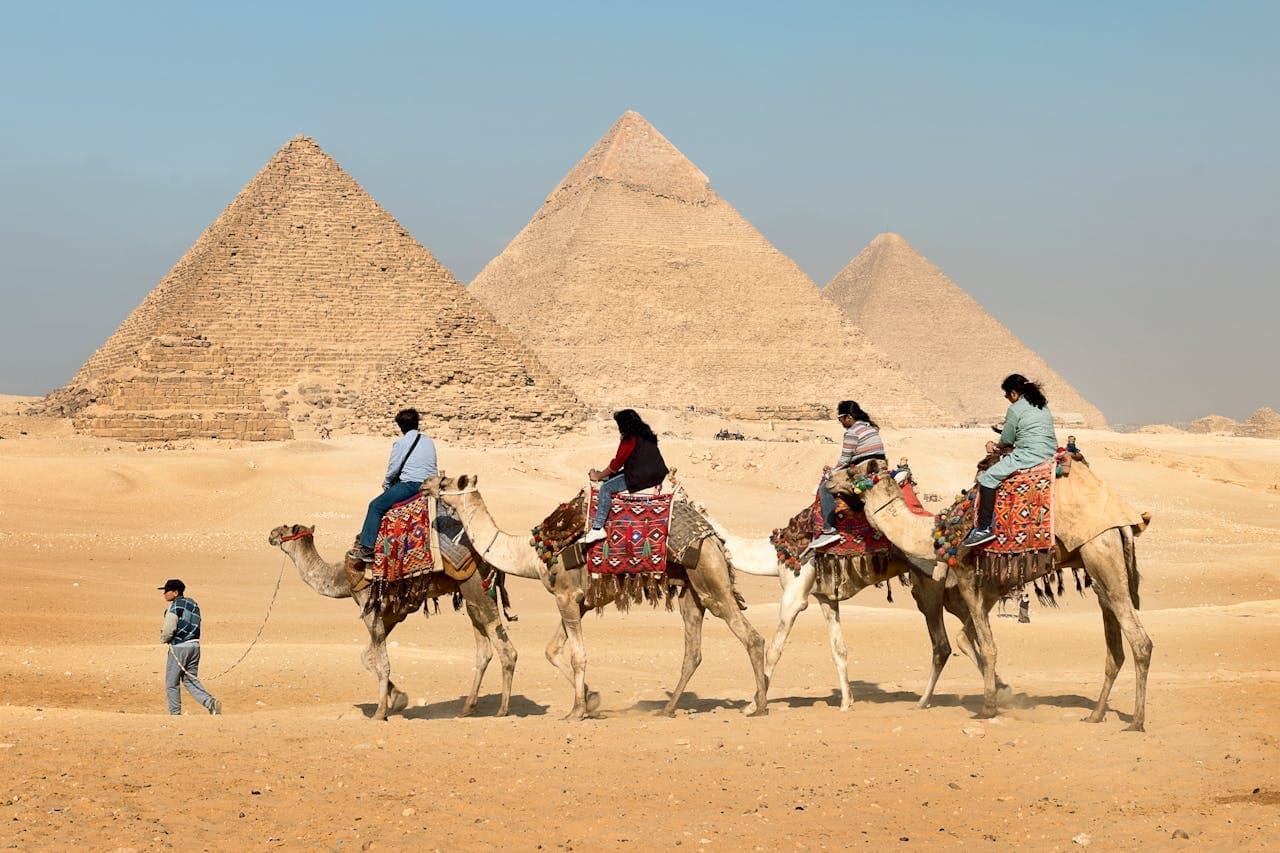
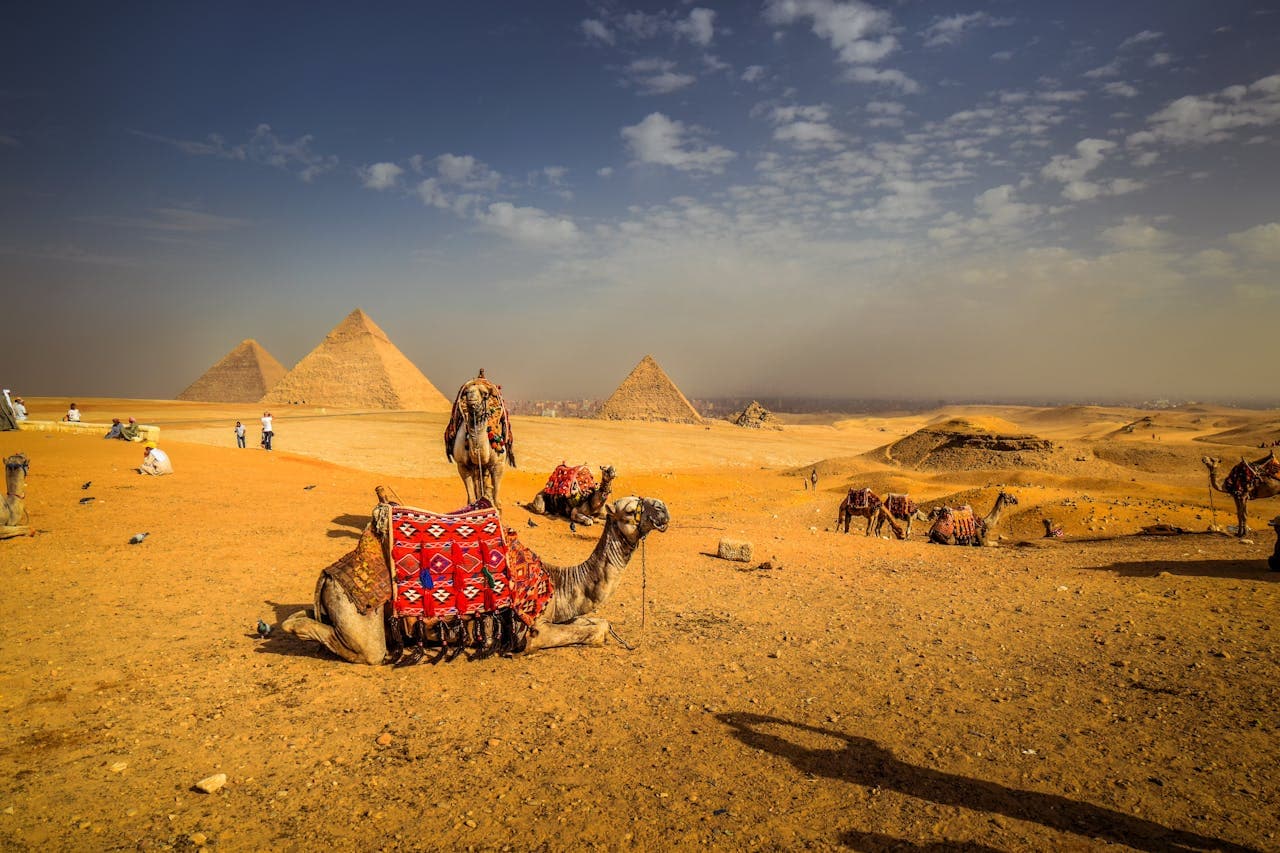
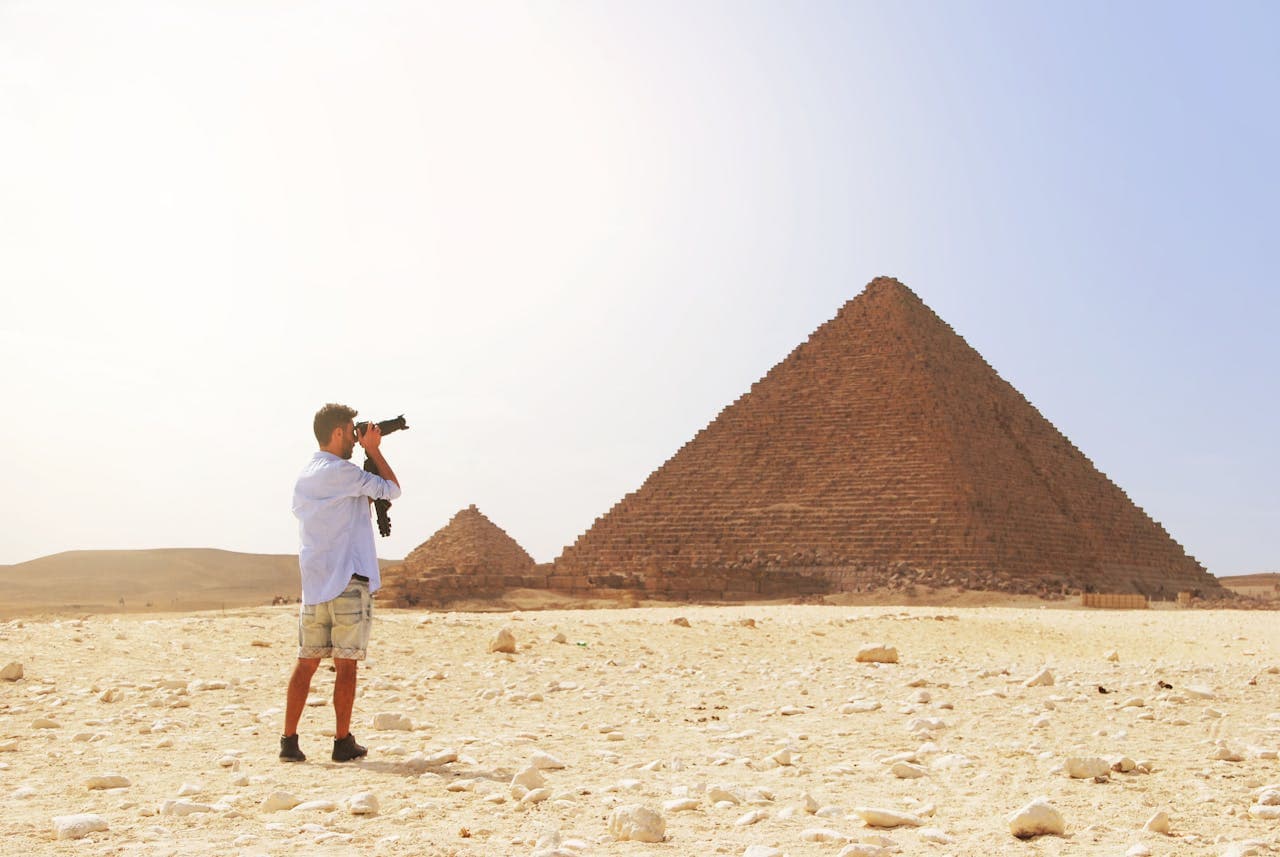
Located in Cairo, Egypt's most accesible pyramids await. You will be face-to-face with structures built over 4,500 years ago. The Pyramids of Giza are the crowning achievement of ancient world engineering, symbolizing Egypt’s rich history.
Visiting the giza pyramids will not only immerse you in ancient sights but also strengthen your understanding of ancient Egyptians’ remarkable precision and ambition.
2. Sphinx: Guardian of the Pyramids
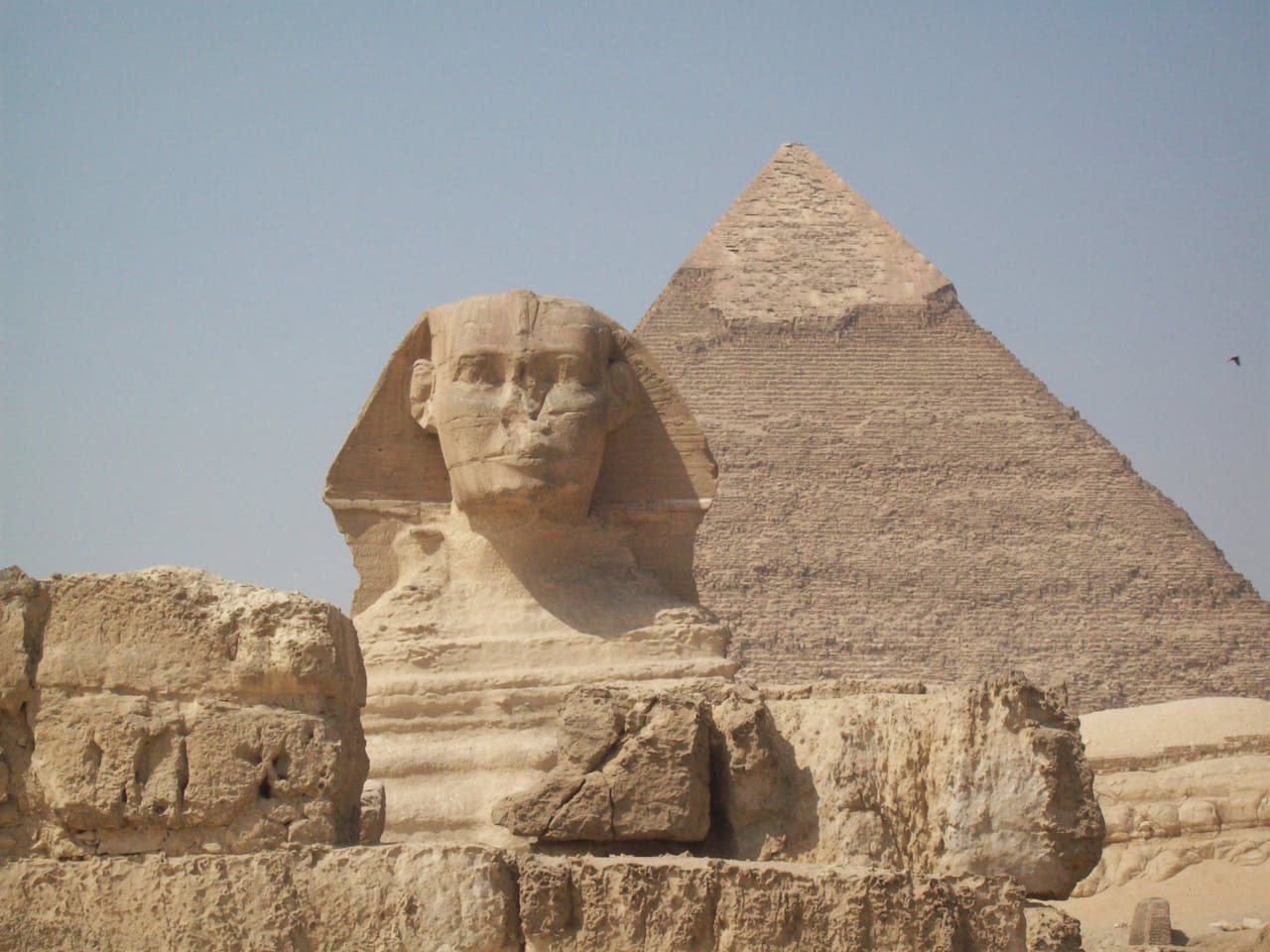
Next to the pyramids, the Great Sphinx stands guard over the desert sands. Carved from limestone, this monumental statue carries historical significance that spans millennia. Walking around this ancient relic connects you to the stories of pharaohs and ancient artifacts discovered at its feet.
Benefit: Experience a moment of awe that deepens your appreciation for Egypt’s military history and its leaders, from Khafre to Muhammad Ali Pasha.
3. Grand Egyptian Museum: An Impressive Collection
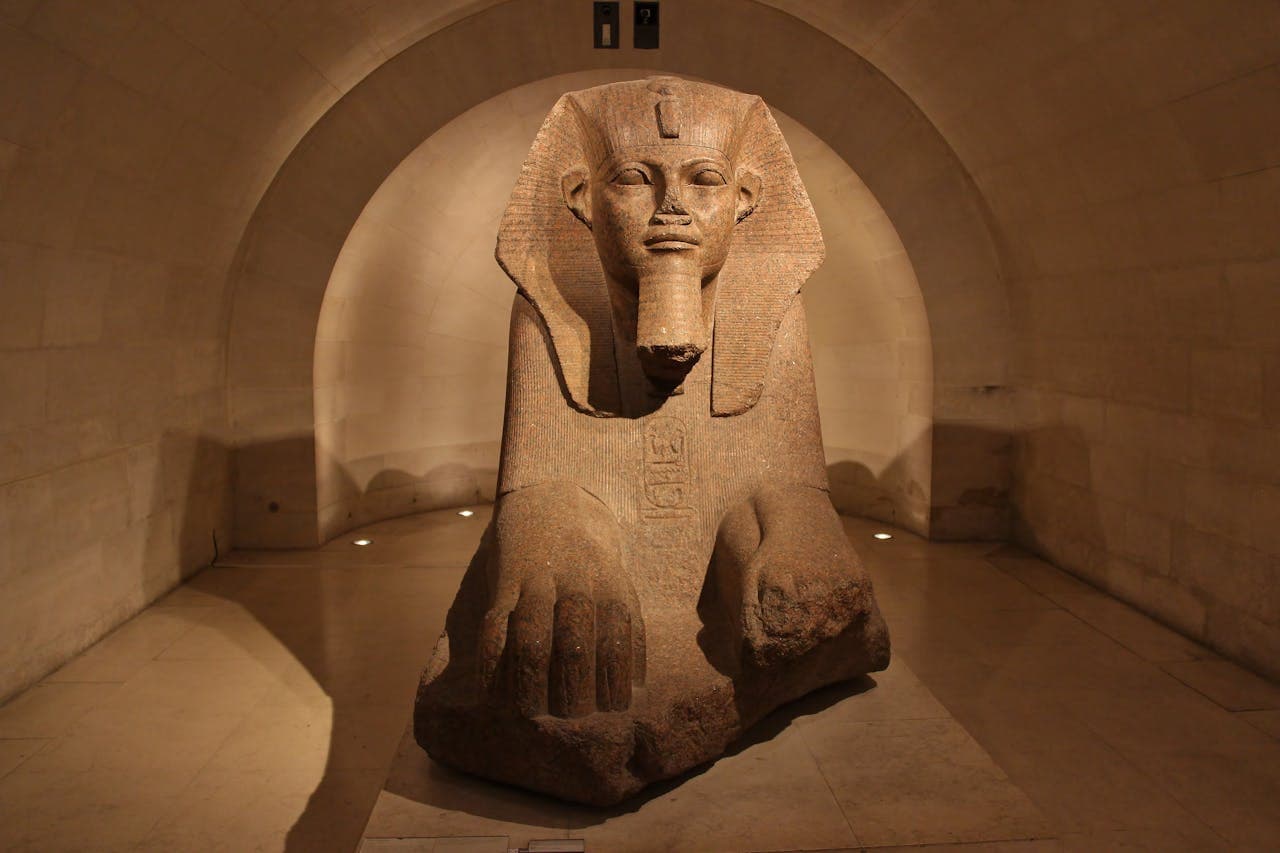
Set to house the largest collection of Egyptian antiquities in one place, the Grand Egyptian Museum showcases ancient artifacts like never before.
With interactive displays on ancient egyptian artifacts and comprehensive exhibits on the ancient world, you’ll leave with a richer sense of Egypt’s civilization.
Benefit: Engage with cutting-edge displays, preserving artifacts once hidden underground and now shared with global audiences.
4. Egyptian Museum in Tahrir Square: Historic Core
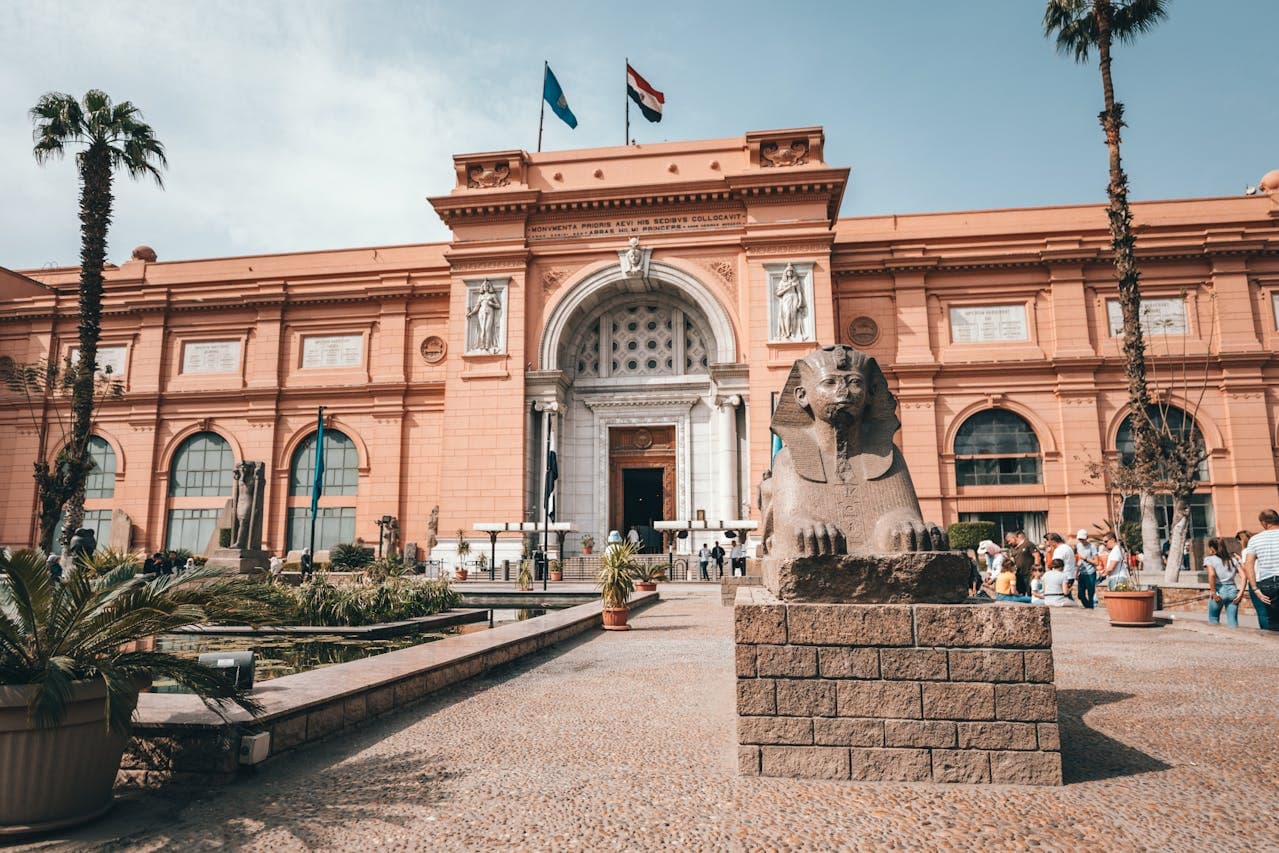
Downtown Cairo’s Egyptian Museum boasts an unmatched trove of treasures from Tutankhamun to Statues of Ramesses II.
Strolling through the museum’s halls offers a hands-on historical context for Egypt’s storied past.
Benefit: Compare the museum’s classical collection with the modern innovations at the Grand Egyptian Museum to appreciate Egypt’s commitment to preservation.
5. Cairo Citadel: Fortress of Muhammad Ali Pasha
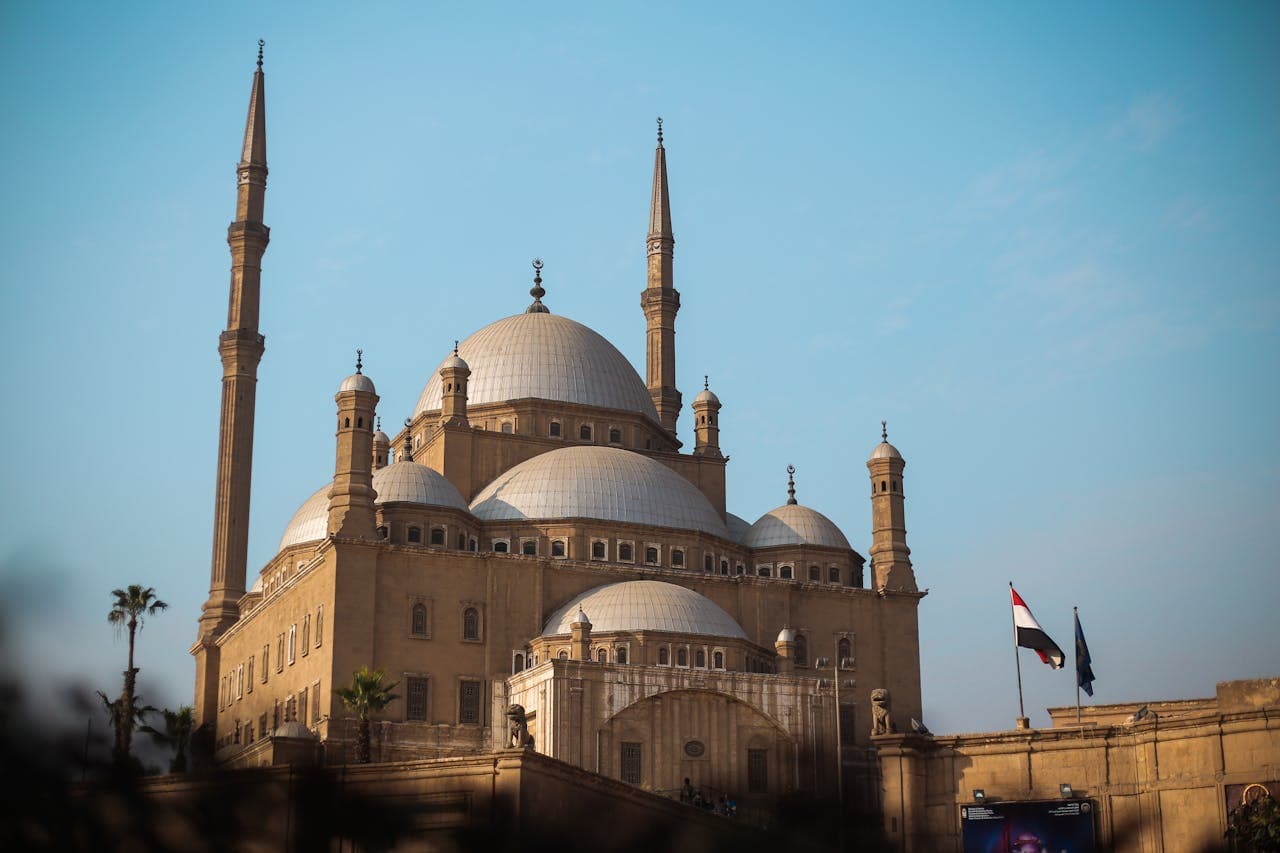
Overlooking the city, the citadel complex is a testament to Egypt’s modern military history and the vision of Muhammad Ali Pasha.
Exploring the citadel introduces you to the alabaster mosque, military museum, and panoramic city views.
Benefit: Understand how Egypt’s monarchy evolved and how military strategy shaped modern Cairo.
6. Alabaster Mosque (Mosque of Muhammad Ali)
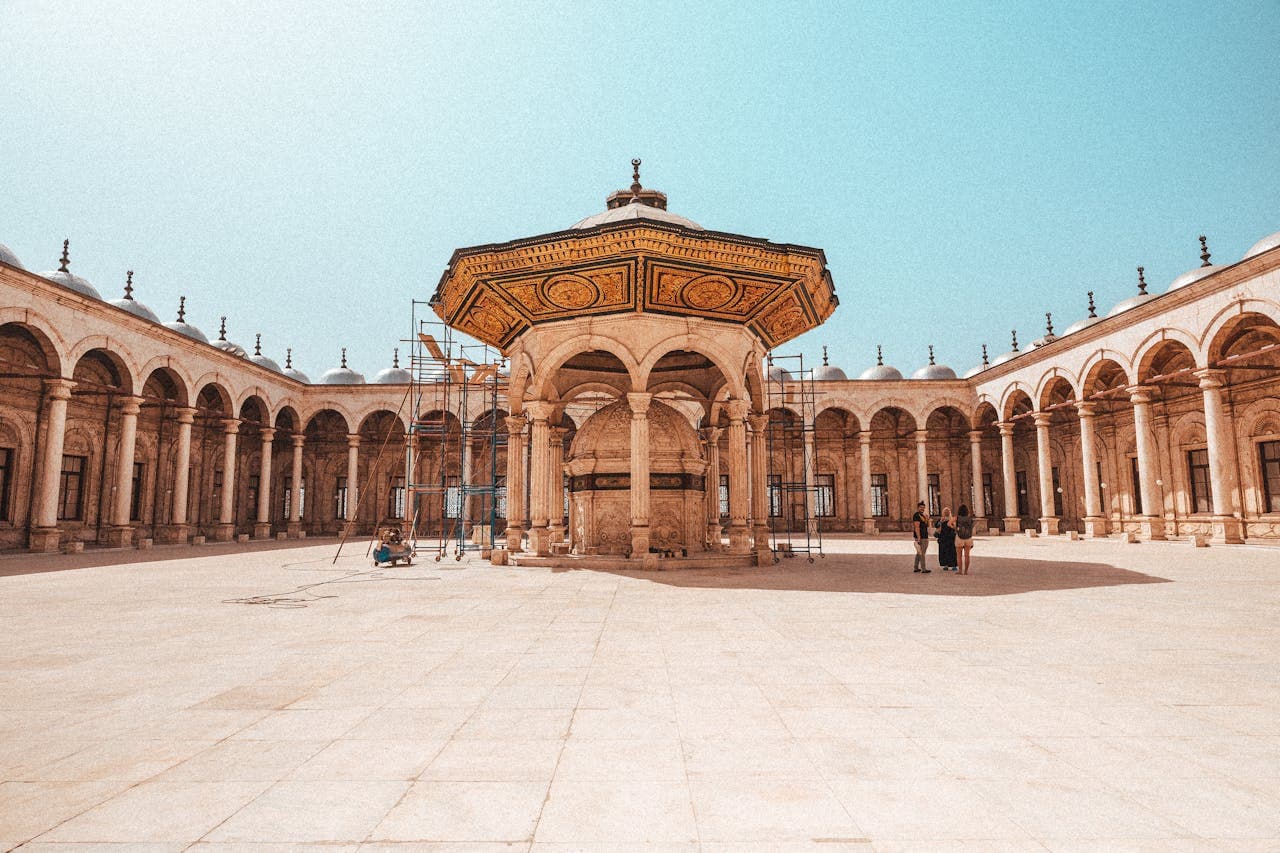
Also known as the Alabaster Mosque, the sultan hassan mosque replica within Cairo Citadel blends Ottoman grandeur with local craftsmanship.
Admiring its twin minarets and marbled walls illuminates islamic architecture at its finest.
Benefit: Experience serenity and learn about mosque madrassa traditions that influenced countless religious sites.
7. Sultan Hassan & Al-Rifa’i Mosques: Twin Marvels
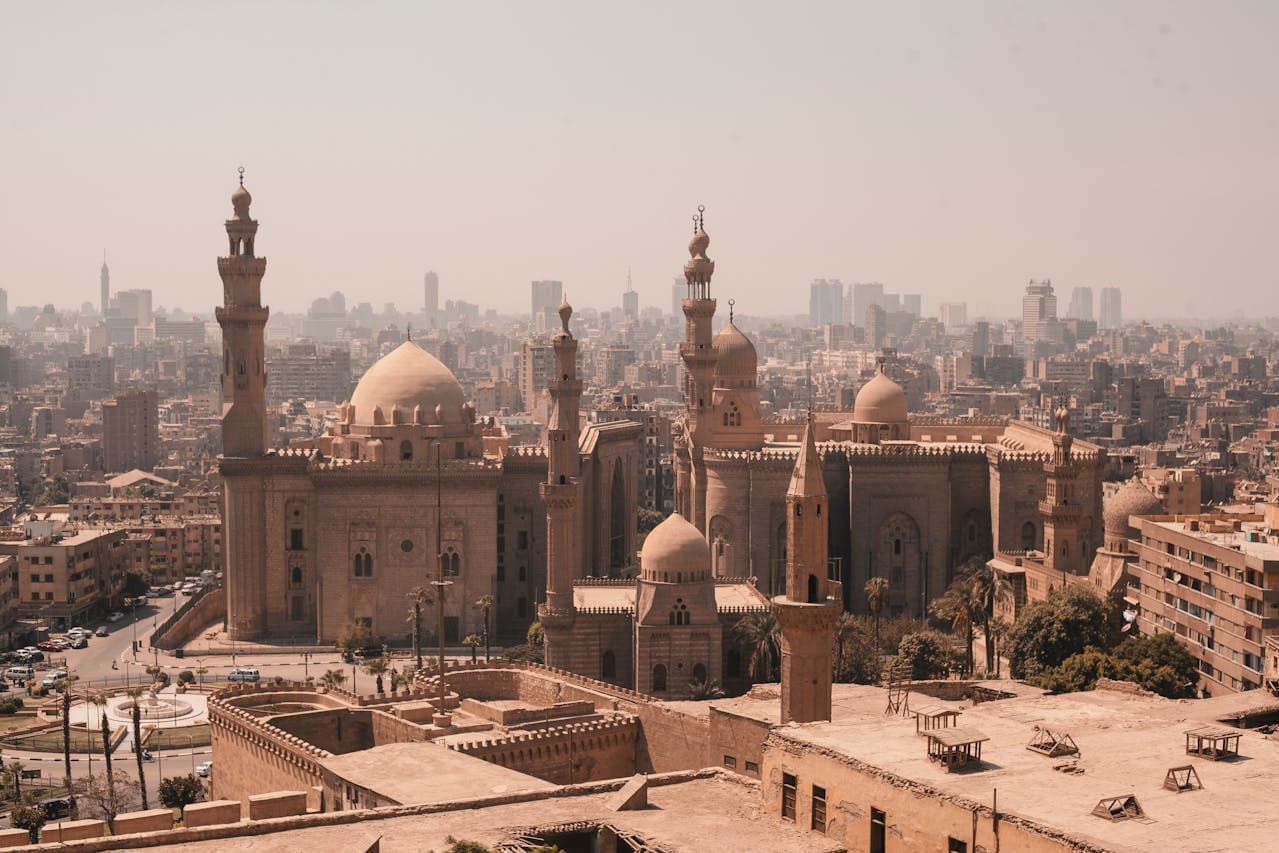
In the heart of Islamic Cairo, the Sultan Hassan Mosque and its neighbor, the Al-Rifa’i Mosque, stand as twin beacons of Mamluk magnificence. Built in the 14th and 19th centuries respectively, they straddle a courtyard paved with centuries-old stones.
Sultan Hassan’s monumental portal and soaring iwans showcase monumental stone carvings, while Al-Rifa’i’s polished marble floors showcase a rare blend of medieval and modern craftsmanship.
Examine the Sultan’s intricately carved minbar (pulpit) and pass through to Al-Rifa’i’s royal mausoleum, where the tombs of Muhammad Ali Pasha and Egypt’s last monarch, King Farouk, lie beneath vaulted ceilings.
Benefit: Delve into islamic art and architectural styles that narrate two distinct eras of Egypt’s historical cairo district, enriching your understanding of dynastic legacy and design evolution.
8. Al-Muizz Street: The Heart of Islamic Cairo
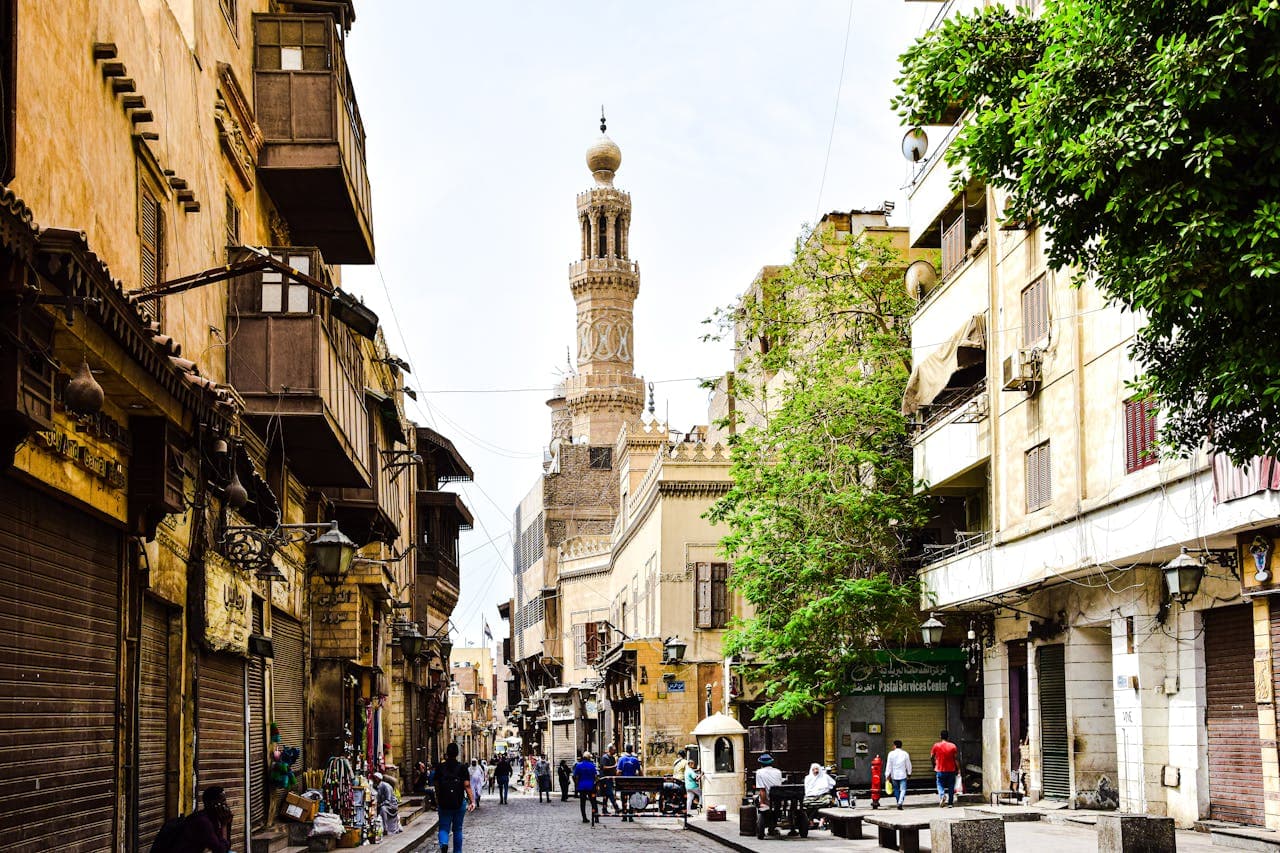
Stretching from Bab Zuweila to the River Nile, Al-Muizz Street pulses with medieval energy. Flanked by restored Mamluk buildings, you’ll discover ornate sabils (public water fountains) and caravanserais converted into cafés and galleries.
Snap photos of green-tiled domes, carved wooden doors, and brass lamps hanging above narrow alleys. Pause at Al-Aqmar Mosque’s façade, whose stone relief tells tales of celestial harmony and Quranic verses.
Benefit: Uncover a UNESCO World Heritage Site where every stone recounts centuries of commerce, culture, and communal life, offering hidden gems tucked behind formidable city gates.
9. Khan al-Khalili & Khan el Khalili Bazaar: Shopper’s Paradise
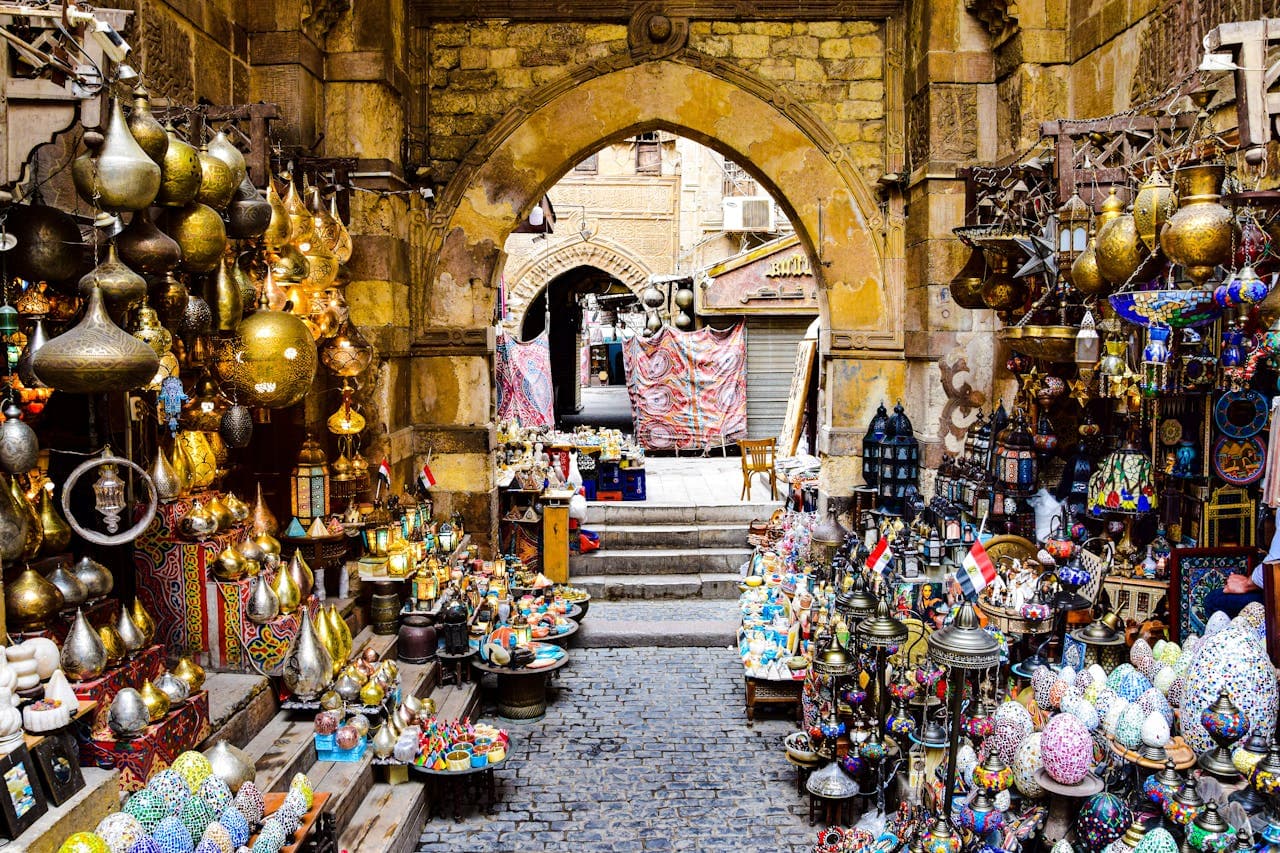
Step into Khan al-Khalili’s labyrinthine bazaar, where air is thick with spice aromas, cumin, coriander, and saffron swirl above stalls of copperware, handwoven rugs, and glittering jewelry.
Master the art of haggling by observing local merchants. Make sure to aim for 20–30% below the asking price to secure a fair deal. Don’t miss El-Fishawy Café, a centuries-old teahouse serving karkadeh tea and traditional sweets.
Benefit: Immerse yourself in egyptian culture and cultural commerce, leaving with one-of-a-kind keepsakes that support artisanal traditions across generations.
10. Al-Azhar Park: Green Oasis in the City Center
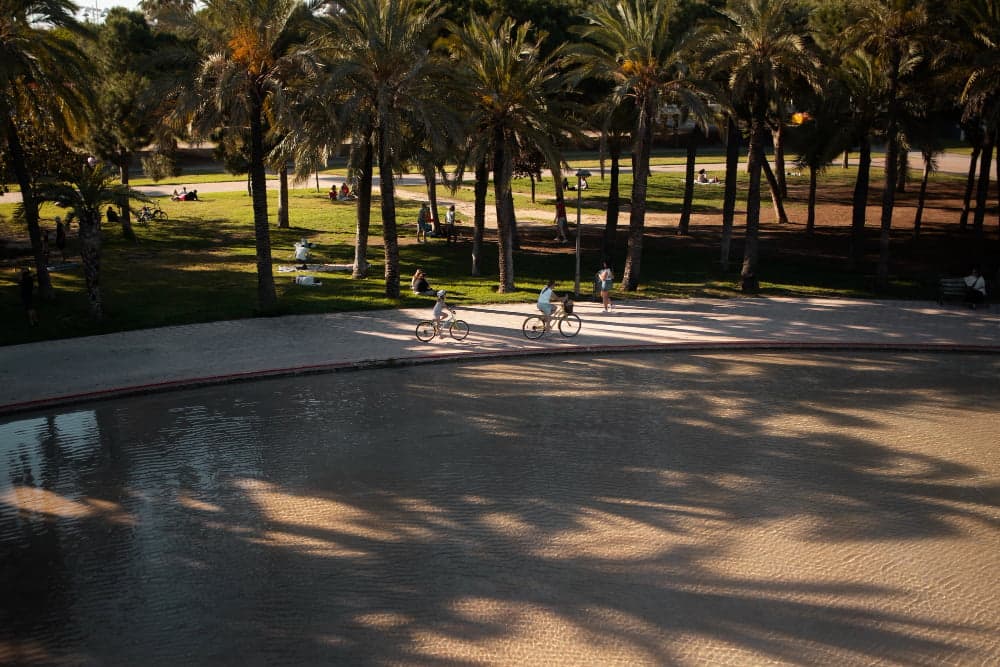
Perched on a former landfill site, Al-Azhar Park spans 30 hectares of landscaped gardens offering sweeping views of the Citadel and Old Cairo. Wander rose-lined pathways past fountains and marble pergolas.
Timing your visit for golden hour reveals panoramic vistas, minarets glow in the dusk light as families picnic on emerald lawns. The park’s café overlooks moorish-style pavilions, perfect for an evening mint lemonade.
Benefit: Recharge in nature’s embrace, learn how garden city planning reclaimed wasteland, and appreciate urban renewal that blends leisure with heritage conservation.
11. Felucca Cruise on the Nile River
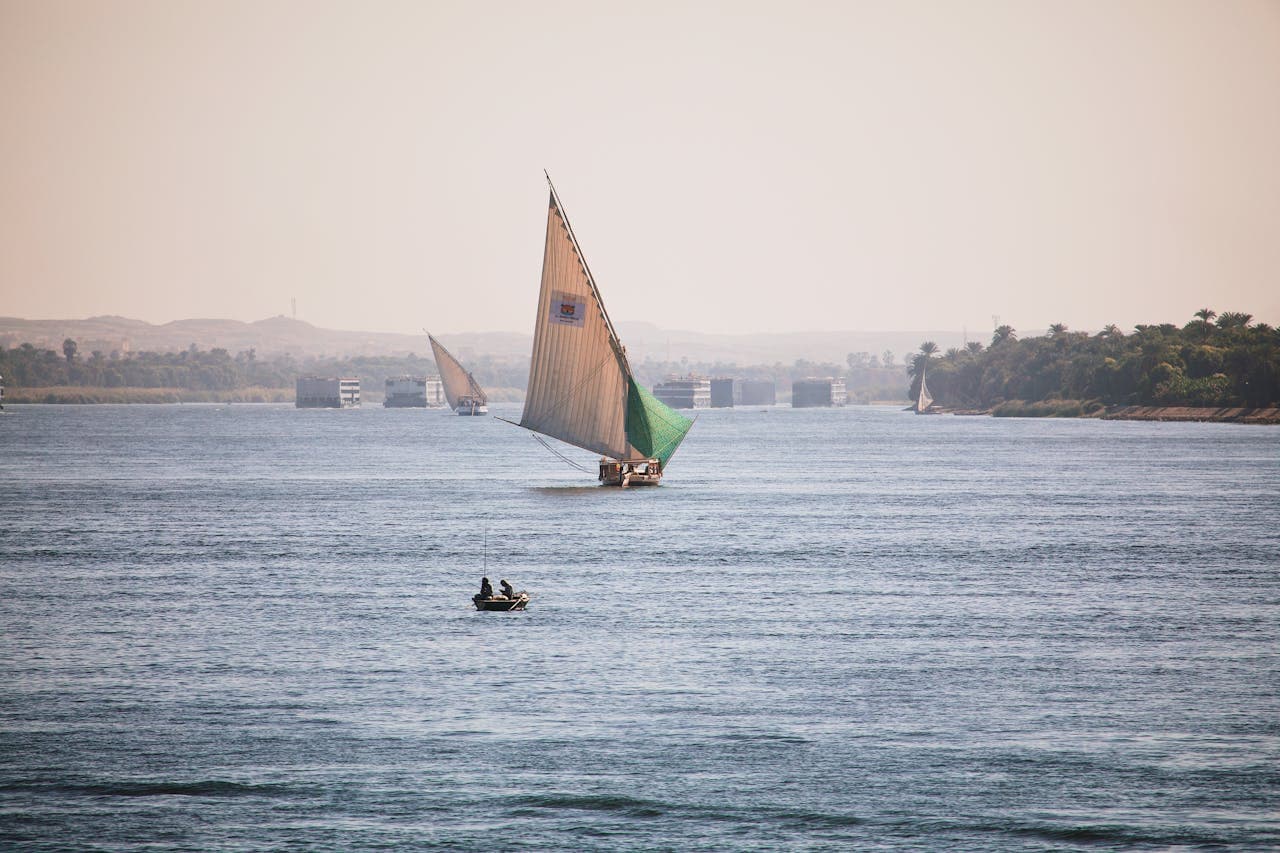
Climb aboard a wooden felucca at the Qasr al-Nil bridge dock and let the gentle breeze steer your journey. Throughout the journey you’ll pass landmarks like the Cairo Tower and the Ottoman-era Bab Zuwayla.
Enjoy live oud music and freshly brewed hibiscus tea as you drift beneath palm-fringed banks. Sunset transforms the Nile into a ribbon of gold, an ideal backdrop for photographs.
Benefit: Relax in timeless serenity, connect with locals who man these traditional boats, and witness the nile river’s enduring role as Cairo’s lifeline.
12. Cairo Tower: 360° City View
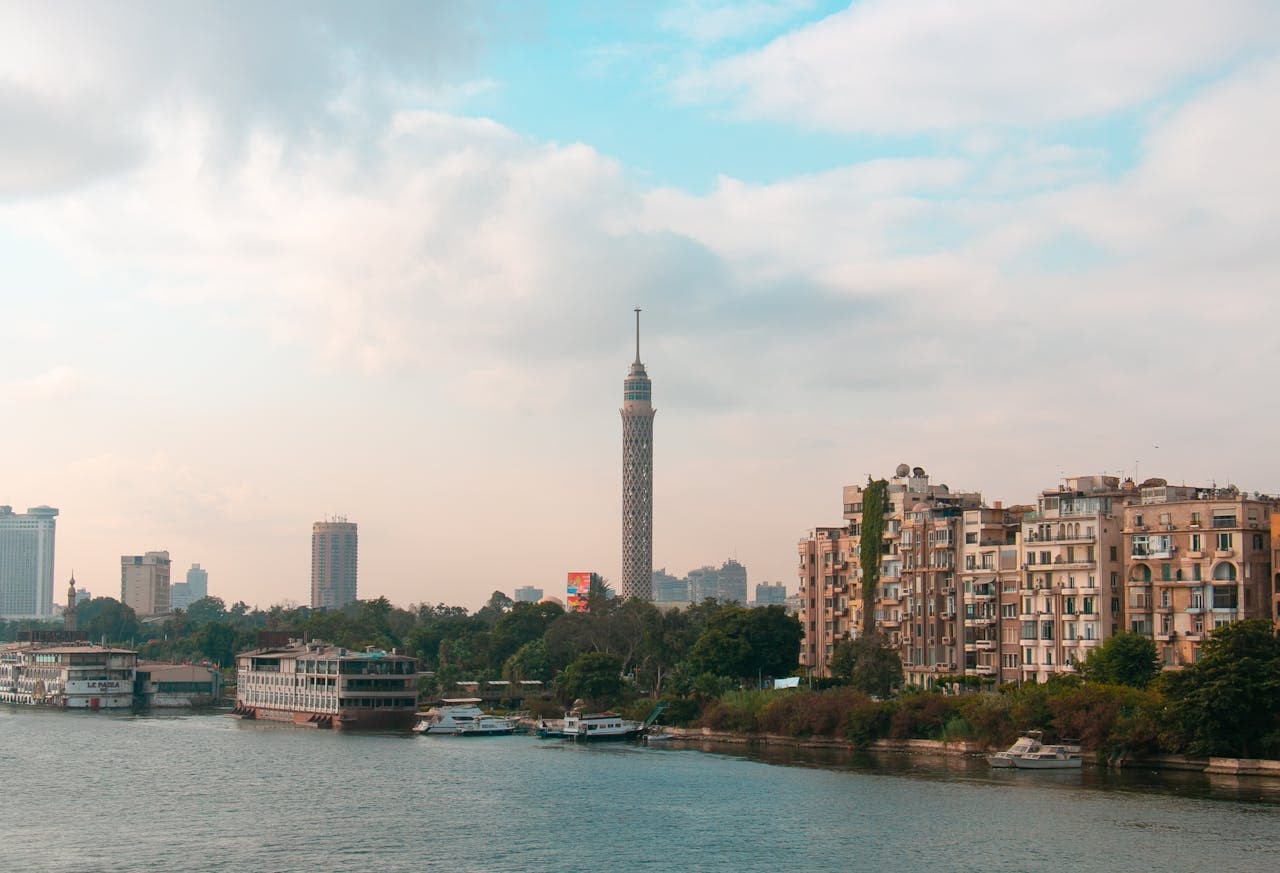
Rising 187 meters above Gezira Island, the Cairo Tower pierces the sky with its patterned lattice design, an iconic example of modern cairo architecture.
Ride the high-speed elevator to the observation deck, where interactive telescopes highlight landmarks from the Grand Egyptian Museum to Mokattam’s ridges. Opt for dinner at the revolving restaurant to dine with great views.
Benefit: Capture dynamic panoramic photos, grasp Cairo’s sprawling footprint, and appreciate how modern landmarks harmonize with ancient horizons.
13. Coptic Cairo: Hanging Church & Ben Ezra Synagogue
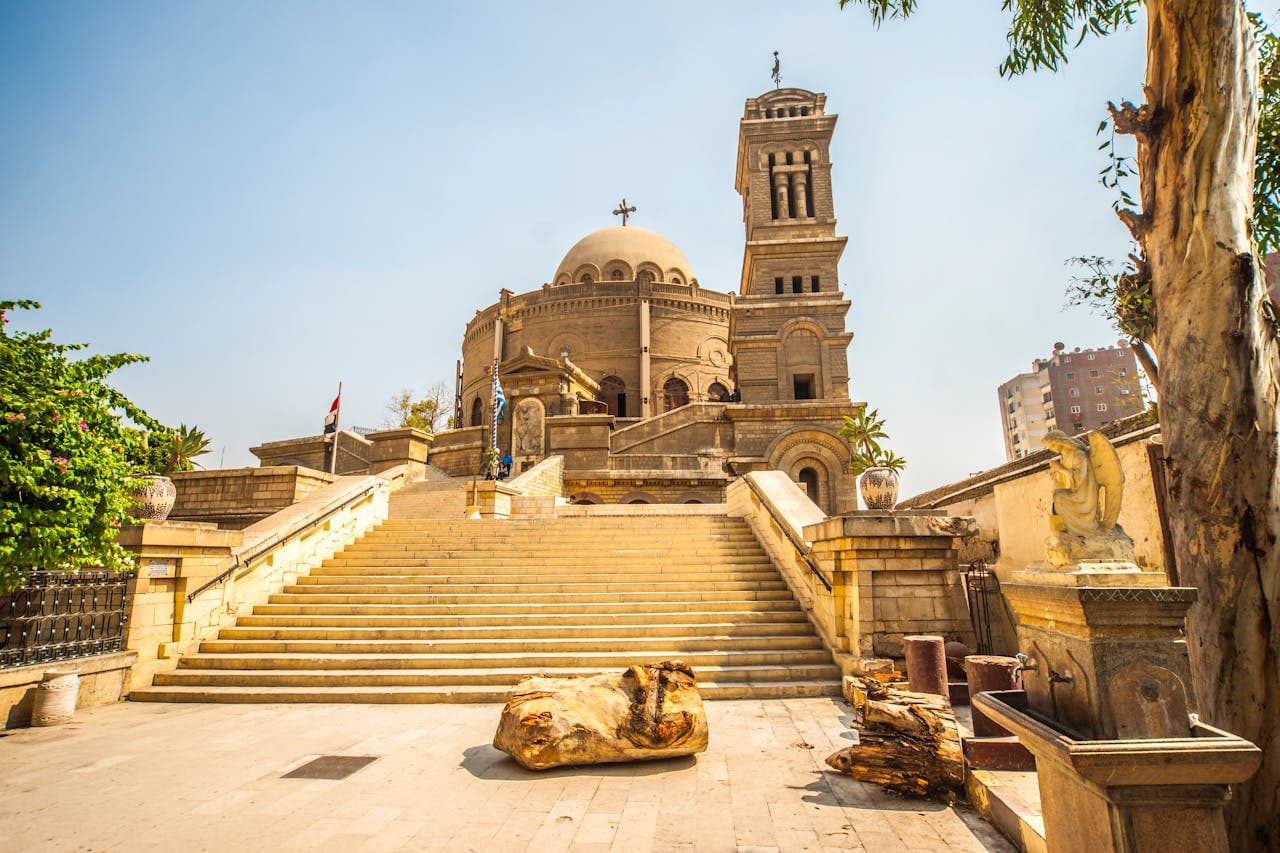
In Old Cairo’s winding alleys, the Hanging Church (Saint Virgin Mary’s) perches above a Roman fortress gatehouse. Its wooden ceilings display elaborate Coptic icons dated to the 13th century.
Nearby, the Ben Ezra Synagogue marks the spot where, according to legend, baby Moses was found in the Nile. Examine its restored bimah (platform) and walls lined with Hebrew manuscripts.
Benefit: Trace egypt’s religious tapestry, Christianity and Judaism’s roots entwined with pharaonic and Islamic legacies, through sacred architecture preserved across faiths.
14. Coptic Museum: Repository of Egyptian Christian Artifacts
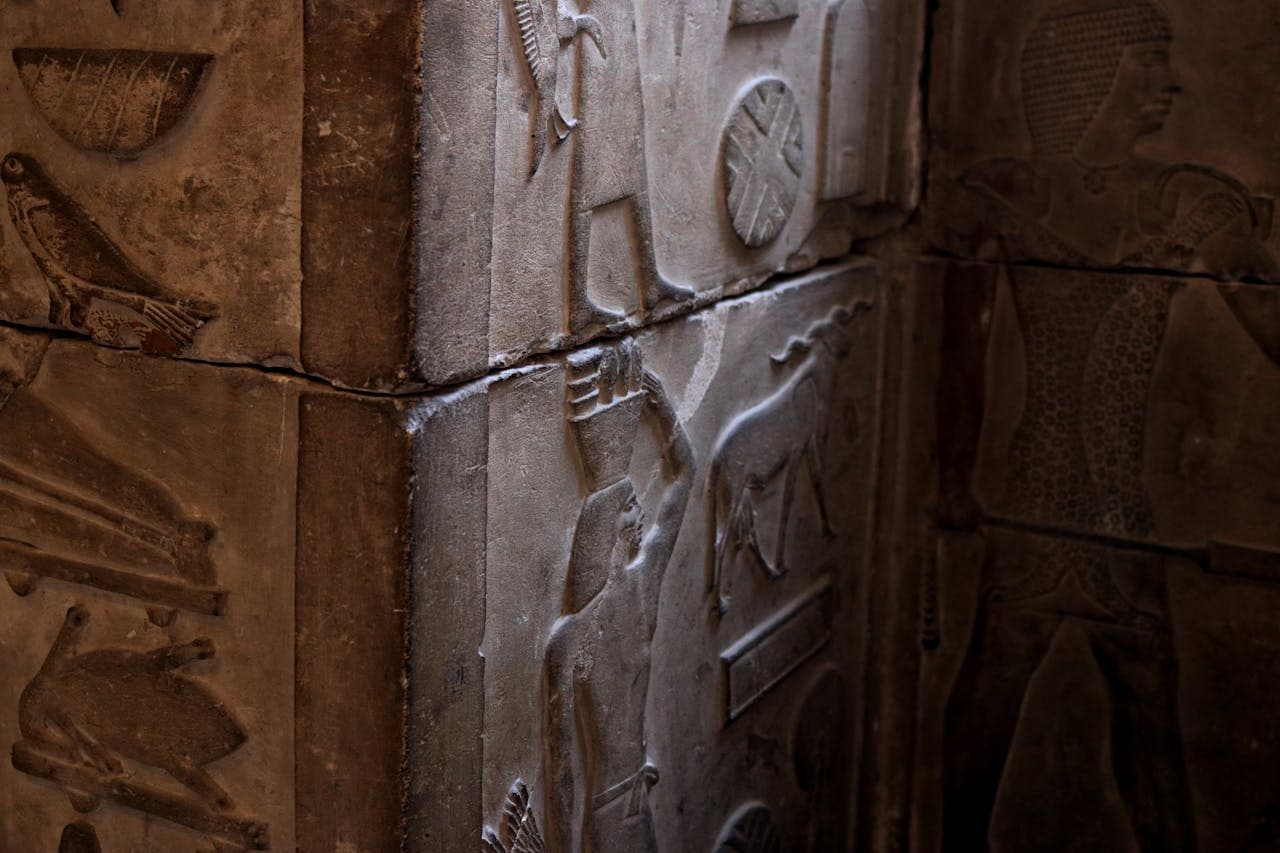
Adjacent to the Hanging Church, the Coptic Museum houses over 16,000 exhibits: ancient artifacts include intricately carved sarcophagi, textile fragments dyed with natural pigments, and sculpted stone panels depicting biblical scenes.
Follow thematic galleries, from early Christian funerary art to Coptic manuscripts, before exiting to a rose garden shaded by date palms and sycamores.
Benefit: Enhance your historical context of egypt’s modern history by seeing how Egyptian civilization mixed with Christian traditions that still thrive today.
15. Cave Church & Garbage City: The Monastery of Saint Simon
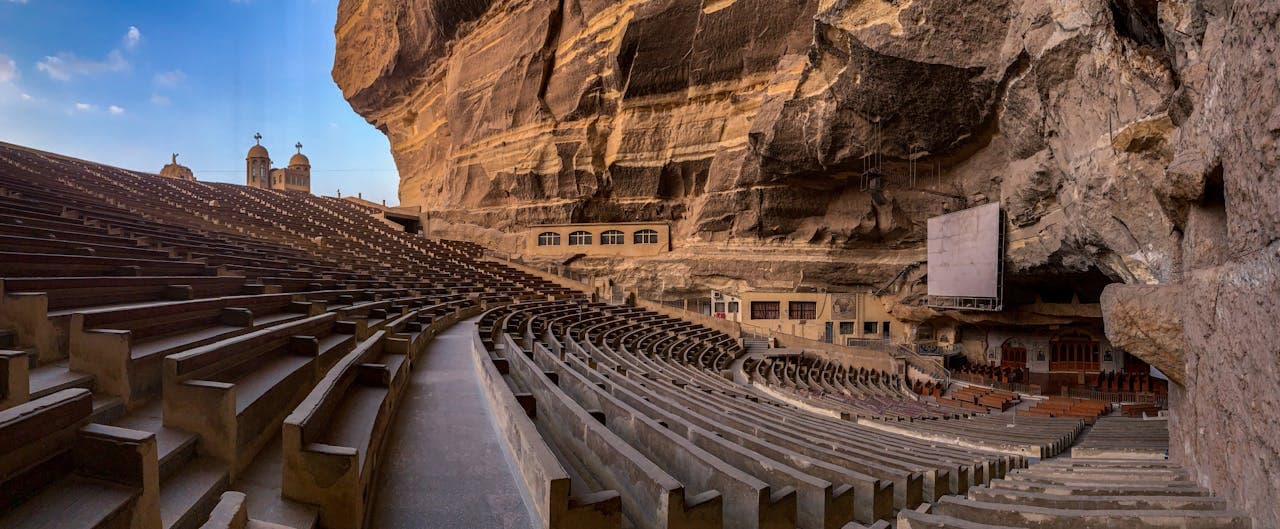
Visit the labyrinthine streets of Garbage City to discover the Cave Church, an underground sanctuary carved into limestone cliffs by the Zabbaleen community.
Inside, sunlight filters through small apertures, illuminating frescoes of saints painted directly onto rock walls. Outside, you’ll observe recycling workshops where families transform collected waste into art and household goods.
Benefit: Support sustainable tourism, witness community resilience, and reflect on the intersection of faith and social enterprise in Cairo’s urban fabric.
16. Islamic Art Museum & Museum of Islamic Art
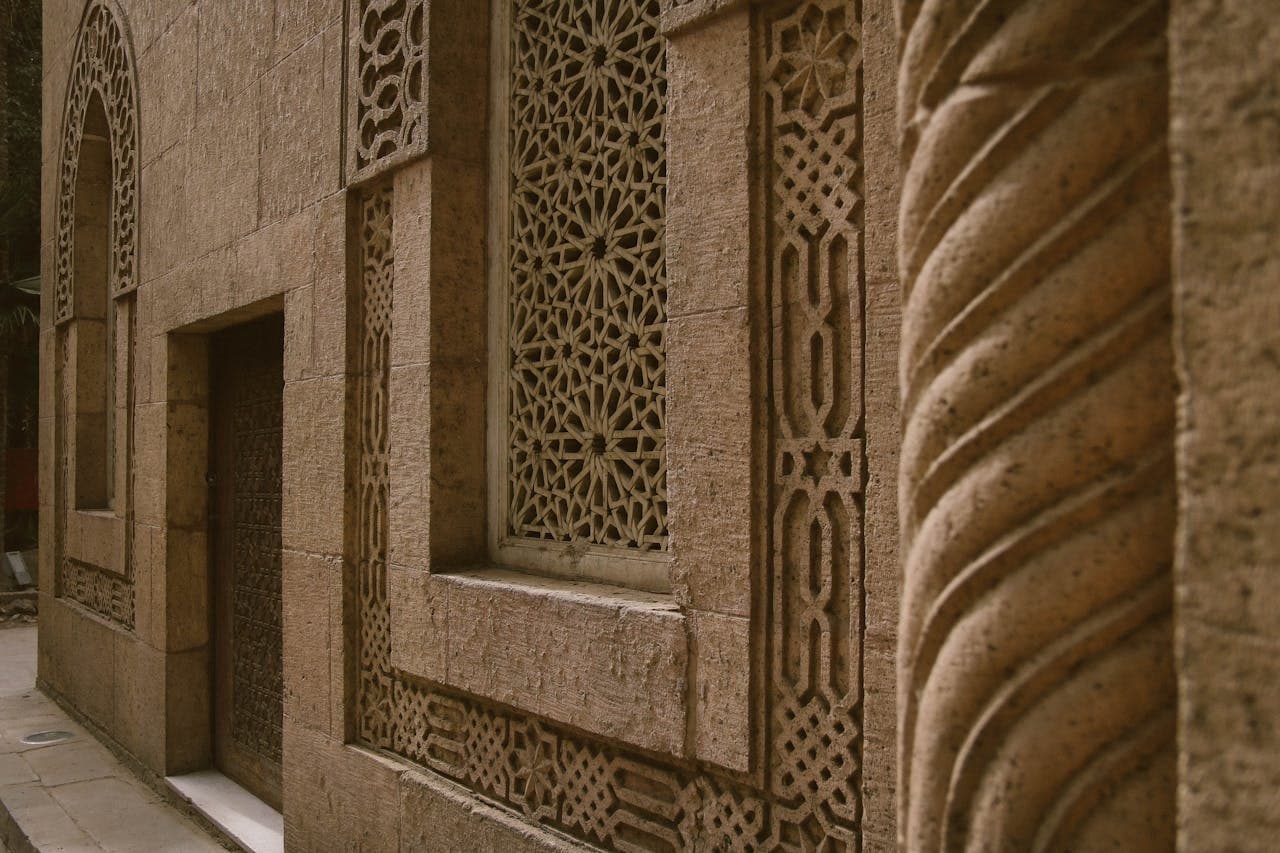
Situated near the citadel, the Museums of Islamic Art catalog masterpieces of ceramic, metalwork, textiles, and woodwork spanning eight centuries.
Admire a Mamluk ewer with inlaid silver, Ottoman prayer rugs woven with silk and gold thread, and manuscripts illuminating Quranic calligraphy.
Benefit: Appreciate the depth of islamic art and its influence beyond Egypt’s borders, gaining insight into how artistic innovation reflected political power and spiritual devotion.
17. Roman Fortress of Babylon
Nestled beneath the busy streets of modern Cairo, the Roman Fortress of Babylon offers a rare glimpse into Egypt’s time under Roman rule. Constructed in the 1st century AD, its red brick walls and semicircular towers once guarded strategic Nile crossings and oversaw trade routes between Africa and the Mediterranean Sea.
Mosaic fragments embedded in the courtyard floors hint at the opulent villas that once stood within these walls. Descend to the underground passageways where you’ll find ancient aqueduct channels and remnants of storerooms.
Benefit: By exploring the Roman Fortress of Babylon, you’ll connect Cairo’s modern history to the wider ancient world, appreciating how Egypt’s strategic location fostered cultural exchange and military strength across the Mediterranean theatre.
18. Police Museum & Military Museum

Located within the Cairo Citadel precinct, the Police Museum chronicles Egypt’s law enforcement history from the Khedival era through the republic. Exhibits include early 19th-century police uniforms, vintage press-ganged patrol vehicles, and archival documents detailing civilian life under different regimes.
Just a short walk away, the Military Museum showcases Egypt’s strategic defenses and battlefield heritage. Inside, you’ll find an impressive collection of early firearms, ceremonial rifles, and artillery pieces used from Muhammad Ali Pasha’s campaigns to the 1973 October War.
Highlights include a fully restored Field Marshal mobile command post, interactive battle maps that trace troop movements, and personal effects of decorated officers, helmets, medals, and letters that personalize historical narratives.
As you tour, guides explain how military reforms under Muhammad Ali Pasha transformed Egypt’s armed forces into a modern army and how police modernization shaped urban security in Cairo.
Benefit: Gain deep insights into the institutions that have safeguarded Egypt’s government and citizens, and understand how security forces influenced the nation’s political evolution and daily life.
19. Tahrir Square & Egyptian Government Buildings
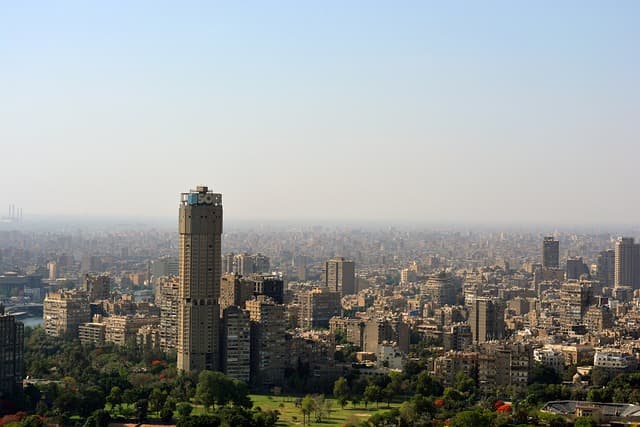
Visit Cairo’s iconic Tahrir Square, where palm-lined boulevards converge around a central plaza once known as "Midan Djoumhouria". The square sits next to the Egyptian Museum and the newly relocated Grand Egyptian Museum site, illustrating the city’s commitment to preserving its ancient Egyptian artifacts and sharing them with the world.
As you explore the square, observe how public demonstrations and political gatherings have shaped Egypt’s modern history, from the 1952 Revolution under Muhammad Naguib and Gamal Abdel Nasser to the transformative 2011 protests that echoed across the globe.
Surrounding government buildings, including the Ministry of Foreign Affairs and the erstwhile Parliament, highlight Cairo’s role as the Egyptian capital and a center of governance. The nearby Abdeen Palace and the Military Museum offer deeper insights into Egypt’s military history and the evolution of its government institutions.
Benefit: Understand how visit Cairo’s public spaces can become catalysts for social change, as you witness firsthand the architectural stages on which Egypt’s civic narrative continues to unfold.
20. Muhammad Ali Pasha’s Garden City
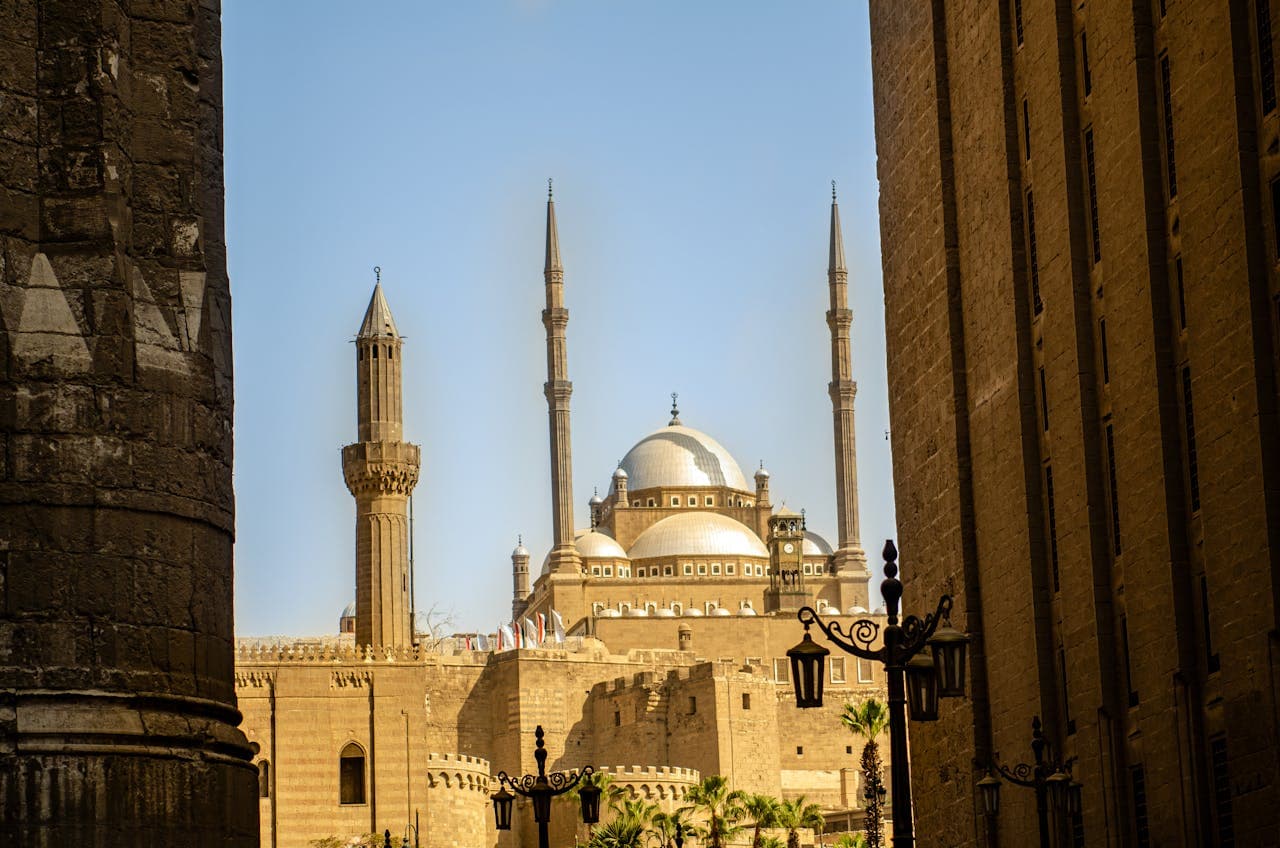
Adjacent to downtown Cairo, Garden City stands as a graceful remnant of colonial-era urban planning. Tree lined boulevards host a serene mix of British era mansions, Art Nouveau apartment blocks, and diplomatic embassies set behind wrought-iron gates.
As you wander from the leafy intersection at Qasr El Nil Street down to the banks of the Nile, notice how wide sidewalks and public squares create a pedestrian-friendly atmosphere, an intentional contrast to Cairo’s bustling historic districts.
Stop for a cup of Turkish coffee at a sidewalk café near Omar Makram Mosque, then cross the Corniche to view the city skyline reflected in the river at dusk.
Benefit: Observe a microcosm of Cairo’s architectural evolution, from 19th-century diplomatic residences to sleek contemporary towers, highlighting the city’s layered identity where European influence and Egyptian ambition converge.
21. Al-Hussein Mosque & Al-Azhar Mosque: Twin Pillars of Faith
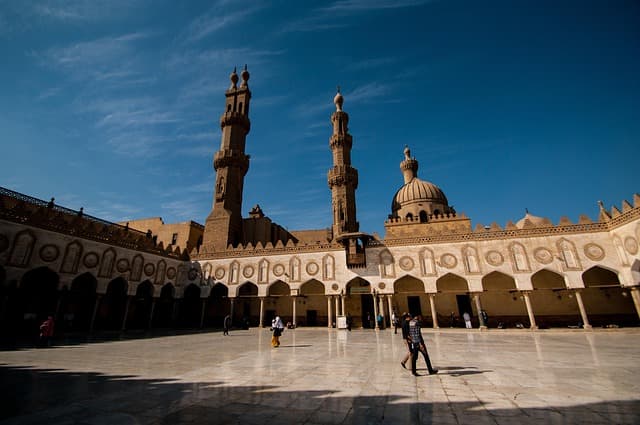
Nestled in the heart of Islamic Cairo, the Al-Hussein Mosque and Al-Azhar Mosque form the spiritual backbone of the city. Start at Al-Hussein, revered for housing the head of Imam Hussein, where marble-clad interiors and intricate mashrabiya screens create an atmosphere of devotional reverence.
A short walk brings you to Al-Azhar Mosque, founded in 970 AD and home to one of the world’s oldest universities. Admire its monumental Fatimid architecture: horseshoe arches, carved inscriptions, and minarets that have guided pilgrims for over a millennium.
Guided tours of both sites reveal the evolution of mosque madrassa life, from medieval lecture halls echoing with scholarly debate to modern classrooms preserving centuries-old curricula in theology, law, and Arabic language.
Benefit: Witness the rhythm of daily prayers resonating through grand courtyards, absorb the spiritual ambiance of living traditions, and deepen your understanding of Islamic history and scholarship that continues to shape Cairo’s cultural identity.
22. Historic Streets: Wekalet El-Ghoury & Al-Muizz Street
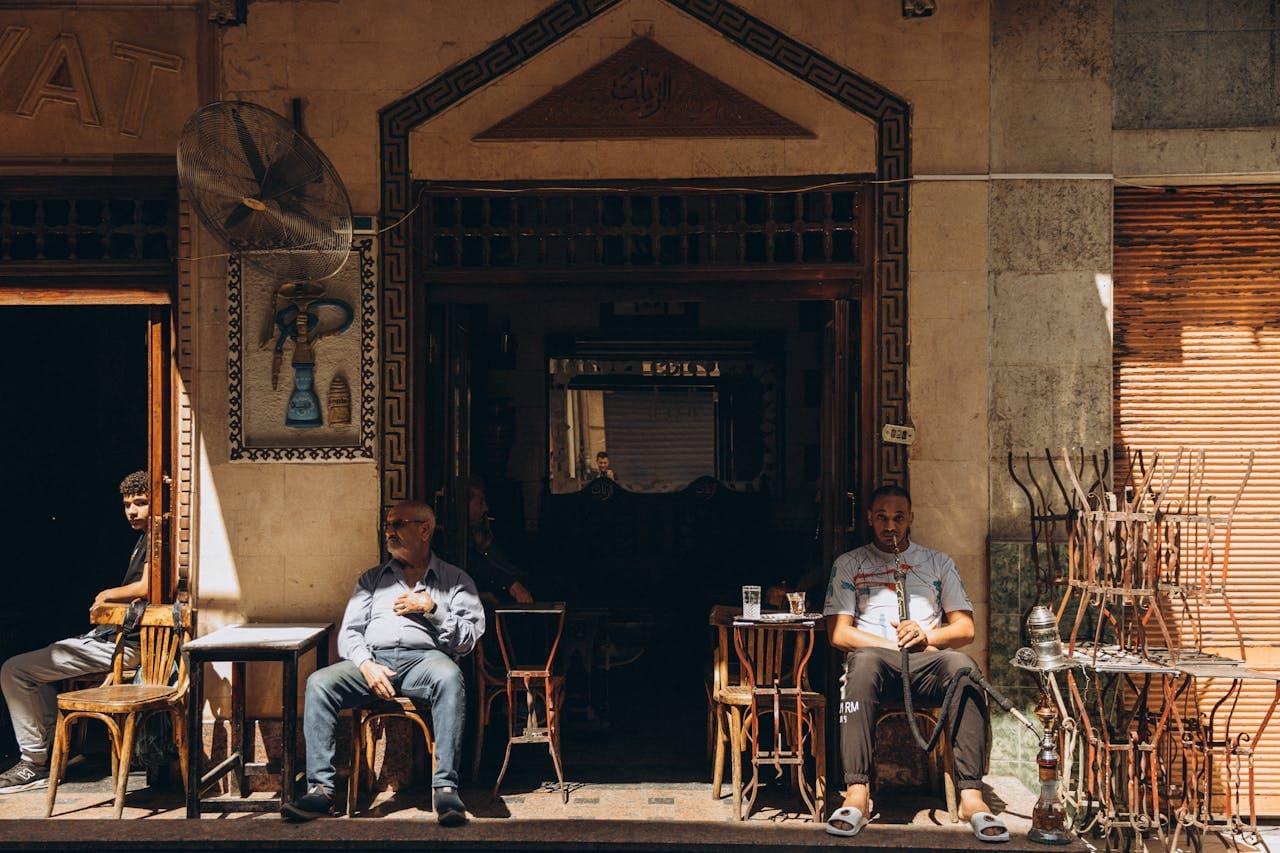
Hidden in plain sight within Islamic Cairo’s labyrinth lies Wekalet El-Ghoury, a vaulted halls once sheltered merchants and their goods.
Today, the space has been revitalized as a cultural hub where evenings come alive with tanoura Sufi dancing shows, hypnotic whirlwinds of color and rhythm, as seamlessly crafted as the original devotional performances.
Wander deeper onto Al-Muizz Street, one of the world’s oldest thoroughfares, flanked by richly decorated fountains, ornate mashrabiya windows, and monumental madrassas like the Mosque-Madrassa of Sultan Hassan.
Along the cobblestone path, artisan workshops offer hands-on experiences: learn to carve traditional wooden mashrabiyas, practice calligraphy in historic script, or fashion brass lanterns under the guidance of master craftsmen.
Stop at a hidden café tucked behind the Ayoubi Mausoleum to sample karkadeh tea while absorbing the ambient whispers of Islamic art etched into every doorway.
Benefit: Participate in living cultural performances, acquire bespoke crafts from skilled artisans, and support the preservation of Cairo’s historical streets as vibrant centers of creativity and community life.
23. City of the Dead: Necropolis Exploration
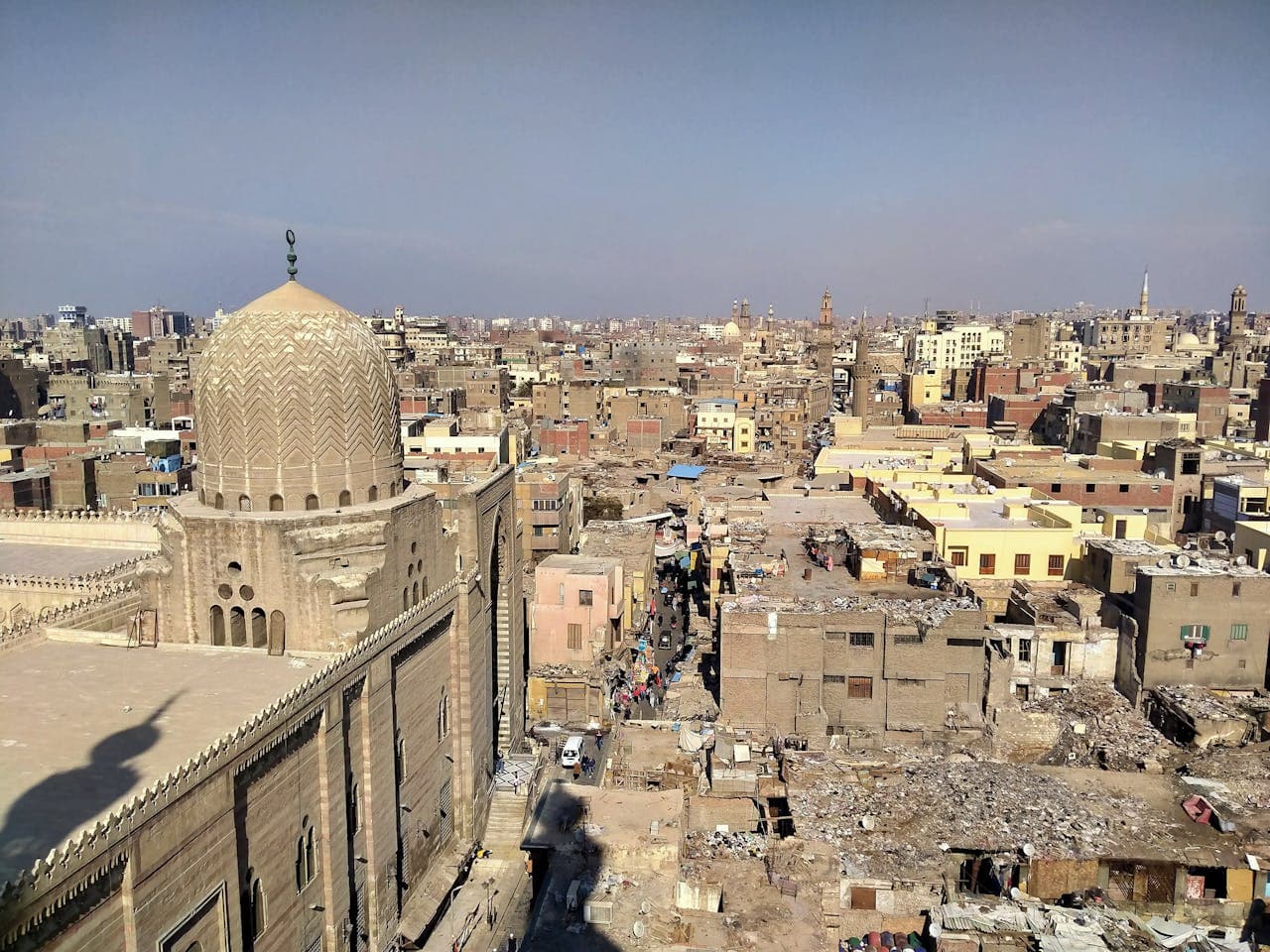
Just east of historic Cairo’s residential quarters lies the vast necropolis known as the City of the Dead. Here, you’ll wander among towering tomb complexes, and centuries old alleyways where families still reside within mausoleum walls.
Accompanied by a knowledgeable guide, explore mausoleums of Mamluk sultans and Ottoman dignitaries, entering ornately carved chambers adorned with geometric arabesques and Quranic inscriptions. Learn how ancestors and the living coexisted: families cared for tombs as part of their homes, and community life thrived alongside the departed.
Benefit: Deepen your perspective on life, death, and cultural continuity in Egyptian society by witnessing a neighborhood where the past remains present in everyday rituals.
24. Mokattam Mountain & Scenic Viewpoints
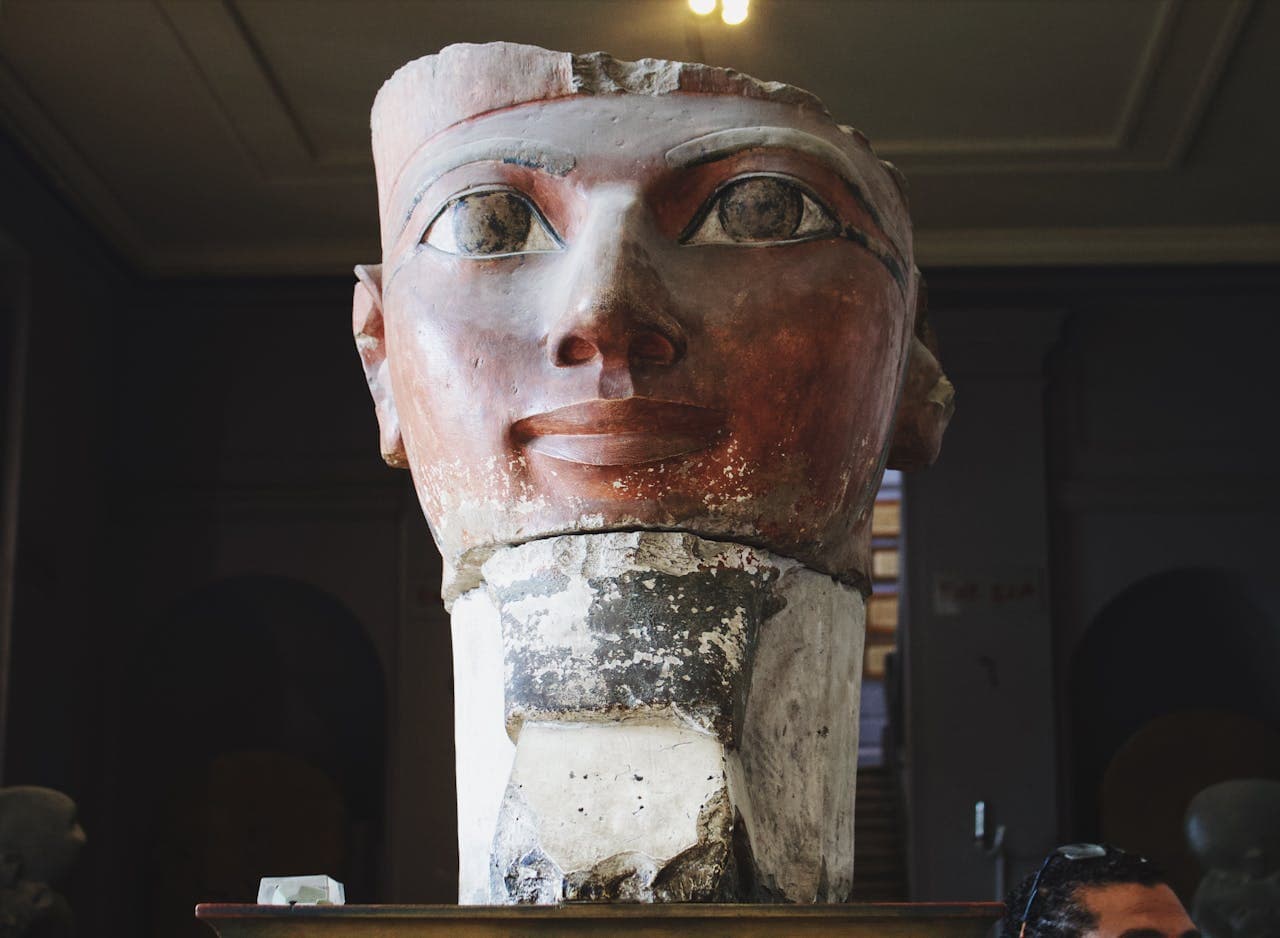
For panoramic city views without the crowds, ascend Mokattam Mountain, Cairo’s “Mountain of Garbage City”, where winding roads lead to the Monastery of St. Simon. Originally founded by Coptic monks seeking solitude, the monastery’s modern church and perched platforms overlook the metropolis.
From the summit, you’ll behold the Nile River snaking between historic districts like Islamic Cairo and Garden City, framed by clusters of minarets and the distant silhouette of the pyramids on the horizon. Time your visit for the late afternoon call to prayer echoing from surrounding mosques, a moment of quiet reflection as the city’s rhythm slows.
Benefit: Invoke contemplation and find solitude above Cairo’s bustle, gaining a new perspective on how ancient and modern landscapes coexist.. Wadi El-Rayan Waterfalls: Desert Oasis Day Trip
25. Wadi El-Rayan Waterfalls: Desert Oasis Day Trip

Just a two hour drive southwest of the egyptian capital, Wadi El-Rayan National Park should be one of the main reasons for anyone to visit egypt as it surprises visitors with cascading waterfalls in the heart of a desert landscape, one of Egypt’s few natural oases.
Upon arrival, wander across rugged dunes to reach the twin waterfalls where fresh spring water plunges into clear pools. Unlike lush river valleys, these falls feel miraculous amid arid rock formations and golden sands.
Take a refreshing dip in the cool pools as birdlife flutters overhead, then hike along shaded pathways to panoramic overlooks that frame the desert and distant agricultural fields nourished by the Nile.
For an immersive experience, rent a horse or camel and traverse Wadi El-Rayan’s rolling hills at sunset, watching the sky turn violet behind the falls.
Benefit: Contrast the intensity of urban exploration with restorative natural tranquility, revitalize your body and mind in a setting that illustrates Egypt’s extraordinary geographic diversity.
26. Dinner Cruise & Traditional Crafts Onboard

Imagine gliding down the Nile on a beautifully lit dahabiya, a traditional Egyptian sailing vessel, while enjoying a multi-course dinner of koshary, grilled kebabs, and fresh mezze.
You'll experience potters shaping clay into bowls, weavers creating colorful textiles on miniature looms, and henna artists painting intricate designs on willing guests’ hands.
As you dine beneath the stars, you’ll learn about each craft’s history in Egyptian culture: how pottery vessels once stored grains for pharaohs, how linen weaving dates back to ancient Egyptian civilization, and how henna ceremonies marked celebrations and rites of passage.
The cruise captain shares stories of the Nile river’s role in shaping daily life, how river transport fueled trade in the ancient world and how modern ferries still connect Cairo’s districts.
Benefit: Master basic crafting techniques alongside skilled artisans and take home handmade souvenirs infused with authentic stories, a tangible link between you and Egypt’s artistic heritage.
27. Hidden Gems: Local Recommendations
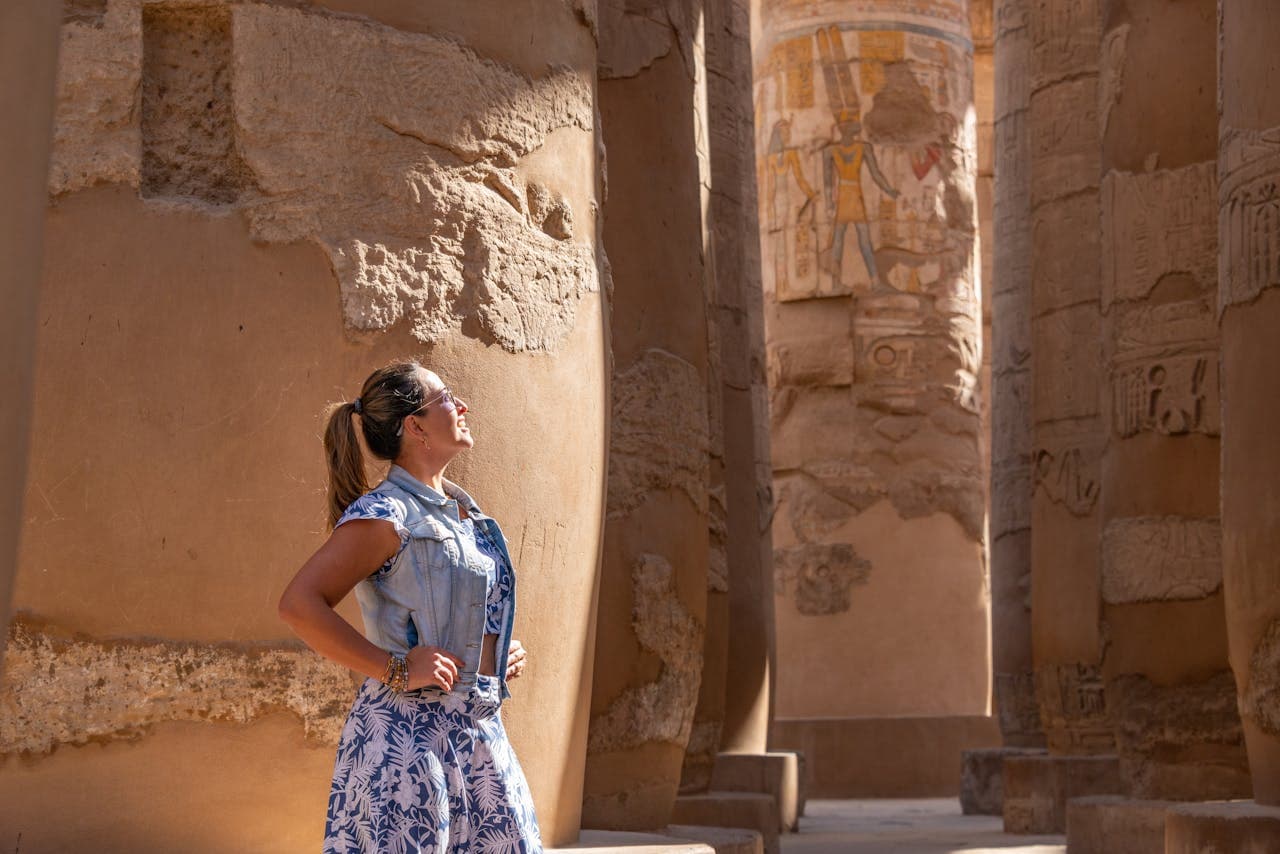
Garden City’s side alleys and Old Cairo’s narrow lanes conceal vibrant street art that celebrates Egypt’s burgeoning urban creativity. Colorful murals depict everything from pharaonic motifs reimagined in contemporary styles to portraits of local heroes and social commentary.
Meander off Al-Rifa’i Mosque into quiet courtyards where prospector cafes serve single-origin Egyptian beans roasted in-house. At spots like Qahwa Wust El-Balad, sip a perfectly pulled espresso or traditional Ahwa Kashta, pairing robust flavors with freshly baked basbousa.
Benefit: Craft a personalized Cairo visit that goes beyond tourist hotspots, immerse in artistic subcultures, discover independent cafés, and forge authentic connections through local insider tips.
28. Cairo Nilometer & Ancient River Measurement
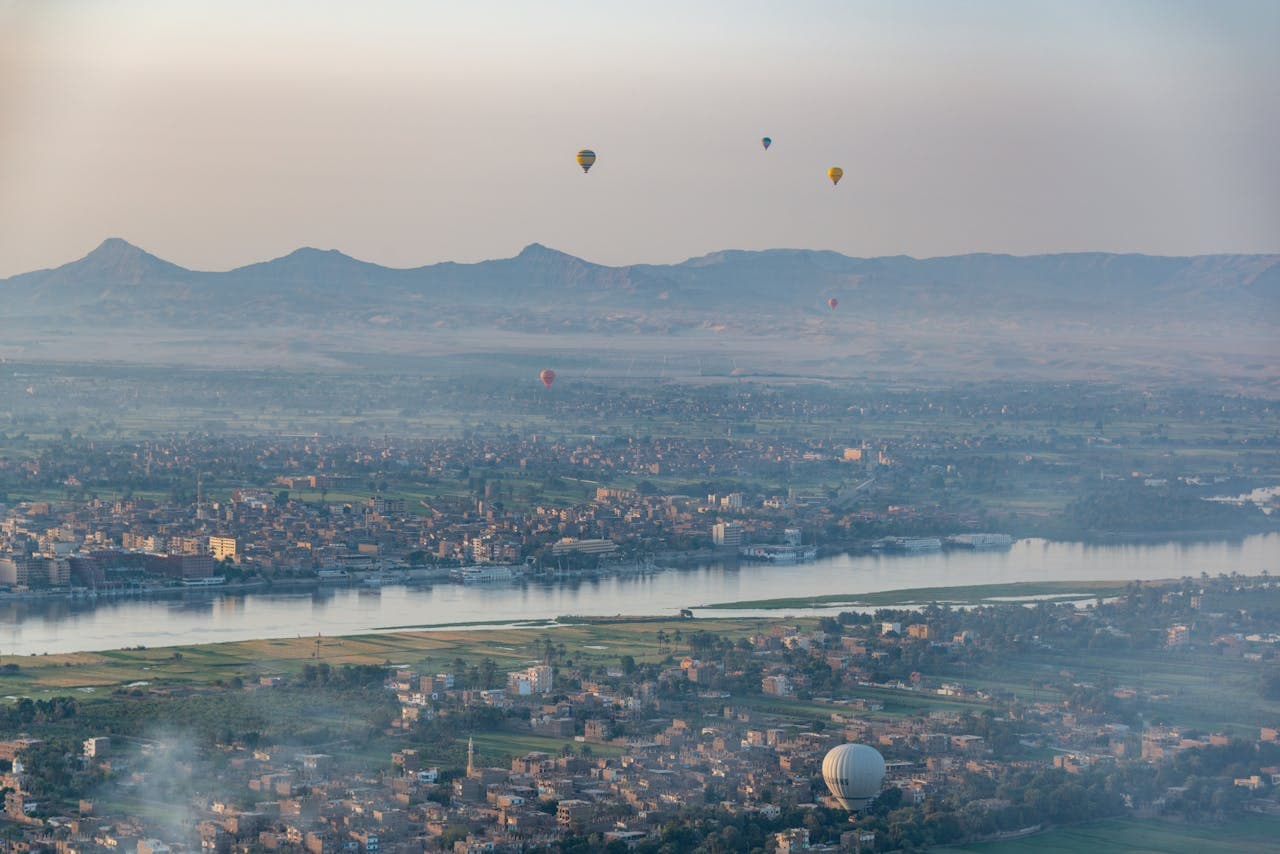
Other than the Dead Sea, tucked away on Rhoda Island in the Nile, the Cairo Nilometer stands as a testament to ancient Egyptians’ mastery of water engineering. Built in the 9th century under Abbasid rule, this towering stone structure, complete with a circular well and calibrated markings, was crucial for predicting annual flood levels.
As you descend the narrow stairs into the Nilometer’s chamber, you’ll see inscriptions detailing historical flood readings. Imagine priests and officials using this data to forecast crop yields, set tax rates, and safeguard communities against famine.
Beyond its technical precision, the Nilometer offers a profound window into ancient egyptians’ deep relationship with the nile river. Its existence underscores how central the river was to Egyptian civilization, from agricultural prosperity to religious symbolism.
Benefit: By exploring the Nilometer, you’ll appreciate the ingenuity behind one of the earliest hydrological devices and gain insight into how water management shaped egyptian culture, economy, and settlement patterns.
29. Modern Cairo: From Skyscrapers to Startups
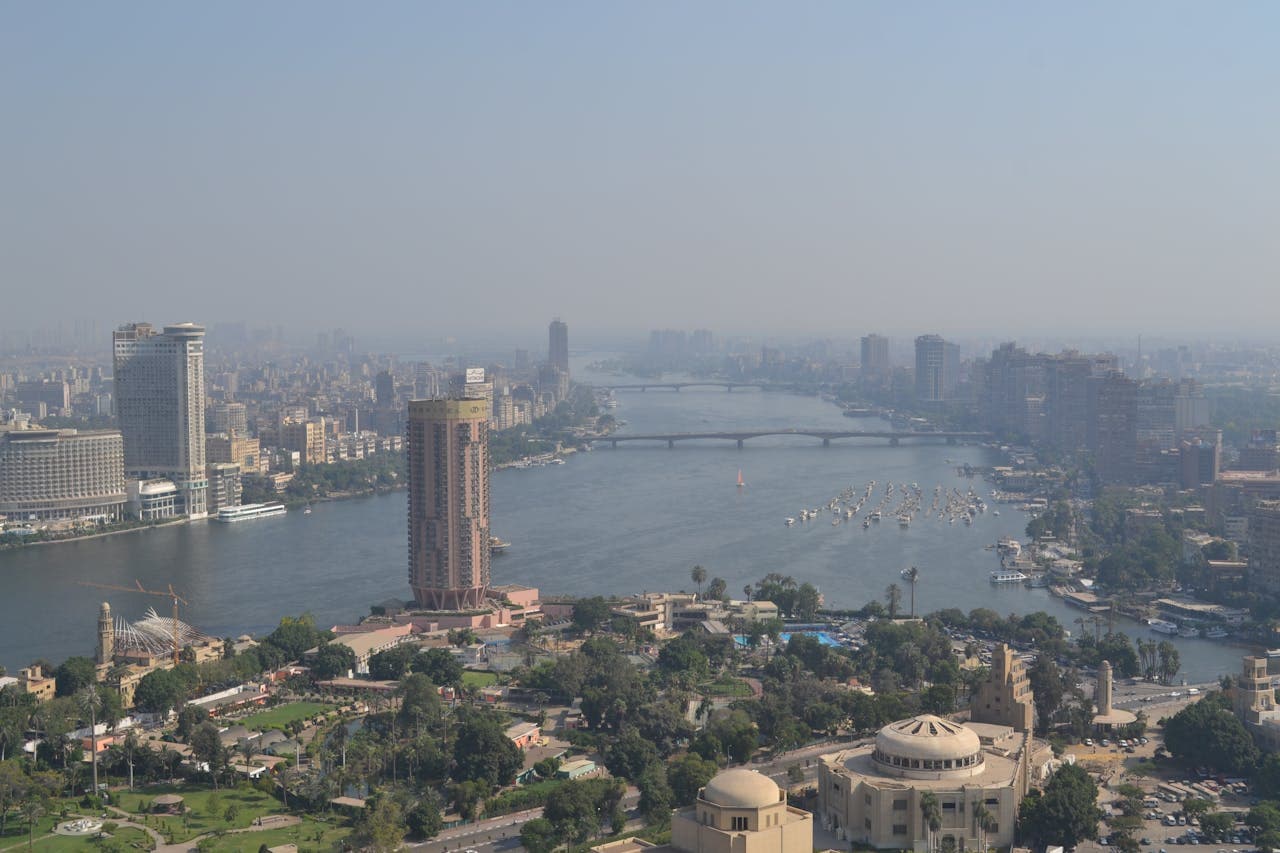
One of the best things to do in Cairo is to explore its modern city center as it has evolved into a vibrant economic powerhouse. Begin on Nile Corniche, where gleaming glass towers house multinational banks and corporate headquarters. Stroll through Cairo’s financial district around 6th of October Bridge, admiring the skyline punctuated by high-rise offices and luxury serviced apartments.
A short drive takes you to Smart Village just outside the city, Egypt’s premier tech hub that incubates startups and global IT firms. Here, futuristic office parks and co-working spaces buzz with innovation, from fintech entrepreneurs to AI R&D labs shaping Egypt’s digital future.
Back in town, explore modern malls that double as lifestyle destinations. Citystars Heliopolis and Mall of Arabia offer international boutiques, gourmet food courts, cinemas, and family entertainment zones. Don’t miss Mall of Egypt for its indoor ski slope and cutting-edge design, or Cairo Festival City Mall for waterfront dining along the Nile’s tributaries.
Witnessing this transformation reveals how Egypt’s emerging economy balances tradition and modernity. From glass-clad boardrooms to bustling retail arcades, you’ll see a nation investing in infrastructure and talent to compete on the global stage.
Benefit: Contextualize Egypt’s modern identity alongside its historic past by experiencing firsthand how financial services, technology, and consumer culture intertwine to shape Cairo’s next chapter.
30. Firsty: Your Ultimate Travel Companion
Exploring Cairo’s bustling streets, historic monuments, and hidden districts is unforgettable. But staying connected makes your trip smoother and more flexible. Whether you’re haggling at Khan el-Khalili Bazaar, navigating to the Grand Egyptian Museum, or booking a sunset felucca cruise on the Nile River, Firsty.app ensures you have reliable data wherever you go.
Firsty uses eSIM technology to provide fast and dependable internet access across Egypt. There’s no need to buy a local SIM card or hunt for spotty Wi‑Fi in downtown Cairo or Old Cairo’s winding alleys. Just install the eSIM, choose your plan, and travel without interruption.
Why choose Firsty?
Nationwide coverage: Seamlessly switch between Cairo’s city center, Islamic Cairo, and even remote viewpoints atop Mokattam Mountain, no SIM swapping required.
Affordable plans: Pay only for what you need, with transparent pricing and no hidden fees, or go for the free version if you are from Europe, USA or APAC.
Flexible options: Add data days on the fly, adjust usage for day trips to Wadi El-Rayan, or extend your plan mid-journey.
Reliable connection: Use your data for Google Maps to Al-Azhar Park, booking Careem rides in Garden City, or uploading live shots of ancient Egyptian artifacts.
With Firsty, you won’t miss a moment of your Cairo bucket list. Travel smarter, stay connected, and explore Cairo with confidence.
Practical Tips & Itineraries
Best Time to Visit: Spring and fall offer temperate weather and vibrant festivals.
Safety & Etiquette: Respect local customs, dress codes at religious sites, and female-friendly zones.
Transport Hacks: Use Firsty for Uber/Careem, avoid peak traffic by traveling off-peak.
Currency & Bargaining: Master the art of haggling at khan el khalili and carry cash in small denominations.
Sample Itineraries: One-day express, three-day explorer, five-day deep dive.
Conclusion
Cairo is an ever-evolving mosaic of ancient sights and modern rhythms. From the pyramids of giza to the narrow lanes of Coptic Cairo, each experience deepens your connection to egypt’s culture and history.
Download Firsty before your cairo visit to ensure seamless connectivity at every turn, from sunrise felucca rides to sunset views at al azhar park.
Share your favorite cairo attractions and hidden gems in the comments below, and keep exploring this timeless city.