Belgium's mobile market is changing quietly but significantly. Today more phones support eSIM technology, more providers are starting to offer it, and more users are realising there is a better way to manage their mobile connection. If you have been wondering what an eSIM actually is, how to activate one, and whether you can keep your existing number when you make the switch, this article explains everything clearly.
What Is an eSIM and How Does It Differ from a Physical SIM?
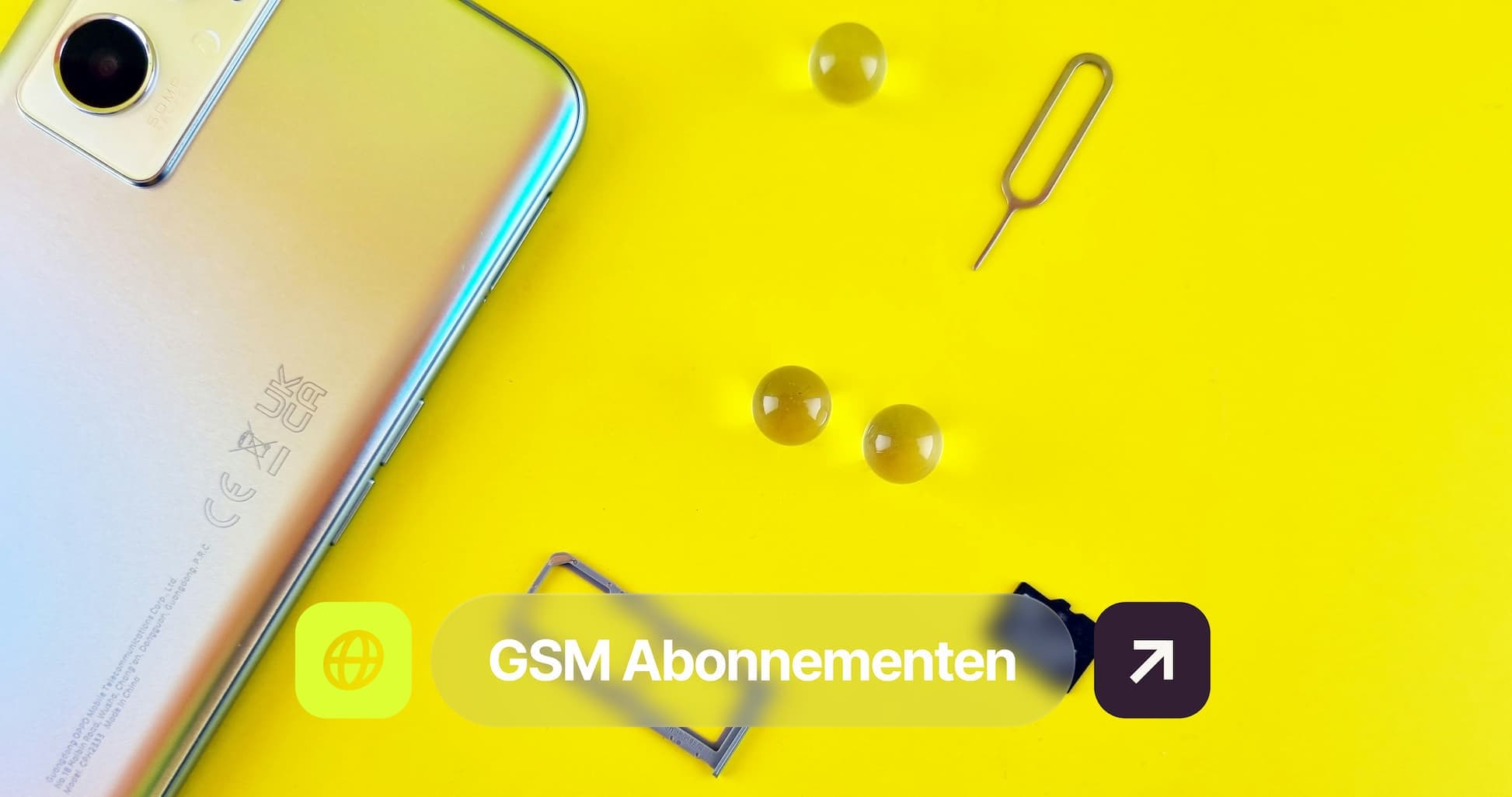
A traditional SIM card is a small plastic chip that slots into your phone and connects you to a specific network. An eSIM, or digital SIM card, does the same job without the physical card. It is planted directly into your device and digitally programmed, which means you can activate a mobile plan through an app or QR code without visiting a store or waiting for a card to arrive in the post. The issue of swapping cards when you travel, risk of losing your SIM, or dependency on a physical object simply disappears and makes it easy to always stay connected.
Which Phones Support eSIM in Belgium?
Most flagship smartphones released in the last three to four years support eSIM, including recent iPhone models, the Samsung Galaxy series, and Google Pixel phones. If you are unsure, checking your device settings under "Mobile Data" or "SIM Card" will usually confirm it, or you can check here. Phones purchased unlocked or outright are very unlikely to have their eSIM function restricted.
Can You Keep Your Number When You Switch to eSIM?
Yes. In Belgium, you have the legal right to keep your mobile number when switching to a different provider. This is known as number portability, and it is protected under Belgium's Easy Switch framework, a set of rules designed to make changing providers as friction-free as possible. When you activate an eSIM with a new provider, you simply request to bring your existing number across as part of the sign-up process. Your number moves over within a matter of hours, and you do not need to notify your contacts or update any of your accounts.
One thing worth clarifying: Easy Switch and number portability apply when you are switching between local Belgian providers.
There are also global eSIM apps like Firsty that work differently. Instead of replacing your Belgian plan, it sits alongside it, giving you reliable connectivity when you travel without affecting your existing number or local plan in any way.
How to Activate an eSIM in Belgium
The process is straightforward and can be done entirely from home:
Confirm your device supports eSIM and is unlocked
Choose a provider that offers eSIM plans and sign up digitally
Scan the QR code or follow the activation link in your phone's settings
Request a number transfer at this stage if you are switching local providers
The entire process typically takes less than fifteen minutes.
Why More Belgian Users Are Making the Switch
Bundled contracts from traditional Belgian providers often tie users to a single network, a fixed data allowance, and a renewal cycle that does not always match how they actually use their phone and eSIM technology changes this. Because the SIM is digital, switching plans can be as fast as updating an app, with no waiting for a card and no activation delays.
For frequent travellers, the advantage is even clearer. A traditional SIM means activating a roaming add-on, paying for it separately, or swapping to a local SIM at your destination and losing access to your regular number. eSIM removes that friction entirely.
A Different Kind of eSIM App
While Easy Switch helps you move between Belgian providers, a new generation of eSIM apps is solving a different problem: staying connected everywhere else.
Modern global eSIM apps work across 176 countries without roaming fees, automatically connect you to the strongest available network without any manual input, and offer basic data for free so you are never fully cut off between paid bundles. Everything is managed in one place, with no paperwork, no shop visits, and no contracts to navigate. They sit alongside your existing Belgian number rather than replacing it, and make them a natural companion for anyone who travels, works across borders, or just wants a reliable backup connection.
Firsty is built on exactly this model. It is the kind of approach that makes you question why connectivity was ever this complicated to begin with.
FAQ
What is an eSIM and how does it work?
An eSIM is a digital SIM card embedded in your device that can be programmed remotely. You activate a mobile plan through an app or QR code directly on your phone, with no physical card required.
Can I keep my Belgian number if I switch to eSIM?
Yes. Belgium's Easy Switch framework gives you the right to keep your number when changing local providers. You can transfer your existing number to a new eSIM plan as part of the activation process.
Does my phone support eSIM?
Check your device settings under "Mobile Data" or "SIM Card" and look for an eSIM option. Most flagship smartphones from the last three to four years support it. You can also check here.
Can I have both a physical SIM and an eSIM on the same phone?
Many modern smartphones support dual SIM functionality, allowing one physical SIM and one eSIM to run simultaneously. This is useful for keeping your Belgian number active while using a global eSIM app like Firsty when travelling.
How long does it take to activate an eSIM in Belgium?
Activation is usually completed within minutes. Number transfers between local providers can take a few hours but rarely longer than one business day.