Go to the Azores, Slovenia, the Faroe Islands, Lake Ohrid, Gdańsk or Sarajevo before the crowds do. These six hidden gems in Europe offer the landscapes and old towns people travel far for, with far fewer visitors than their famous neighbours, and all of them are easy to reach from Belgium. The window is closing, because destinations now react to overtourism with fees: Venice charged day visitors €5 to €10 on 60 days in 2026, and the Faroe Islands added a sustainability fee of DKK 20 per night in February 2026. Check your phone plan before you go, because three of the six are outside the EU roaming rules. This guide explains why each place is worth the trip, how to get there from Belgium, where your Belgian plan works and how much mobile data you really need.
What makes a destination a hidden gem?
A hidden gem gives you the experience of a famous destination without the queues. The places below are beautiful, well connected and still quiet compared with the capitals and islands that dominate social media, which is exactly why they will not stay quiet for long. Travelling there now also spreads tourism money to regions that need it, instead of adding pressure on cities that already struggle with overtourism.
6 hidden gems in Europe to visit before they go viral
Pick one of these six for your next trip, and choose the Faroe Islands, Lake Ohrid or Sarajevo only after you have checked your phone plan, because those three are outside the EU roaming rules.
Destination | Why go | Getting there from Belgium | EU roaming rules apply? |
|---|---|---|---|
Azores, Portugal | Volcanic lakes, hiking, whale watching | Flight with a connection in Lisbon or Porto | Yes |
Slovenia | Alpine valleys, lakes, Ljubljana | Flight with a connection, or a long road trip | Yes |
Faroe Islands | Sea cliffs, waterfalls, 18 islands | Flight with a connection in Copenhagen | No |
Lake Ohrid, North Macedonia | Ancient lake town, UNESCO heritage | Direct from Charleroi to Skopje, then about 3 hours by road | No |
Gdańsk, Poland | Baltic port city, rebuilt old town | Direct from Brussels Airport | Yes |
Sarajevo, Bosnia and Herzegovina | Old bazaar, mountains, rich history | Direct from Charleroi on selected days | No |
Azores: Atlantic islands with a plan against crowds
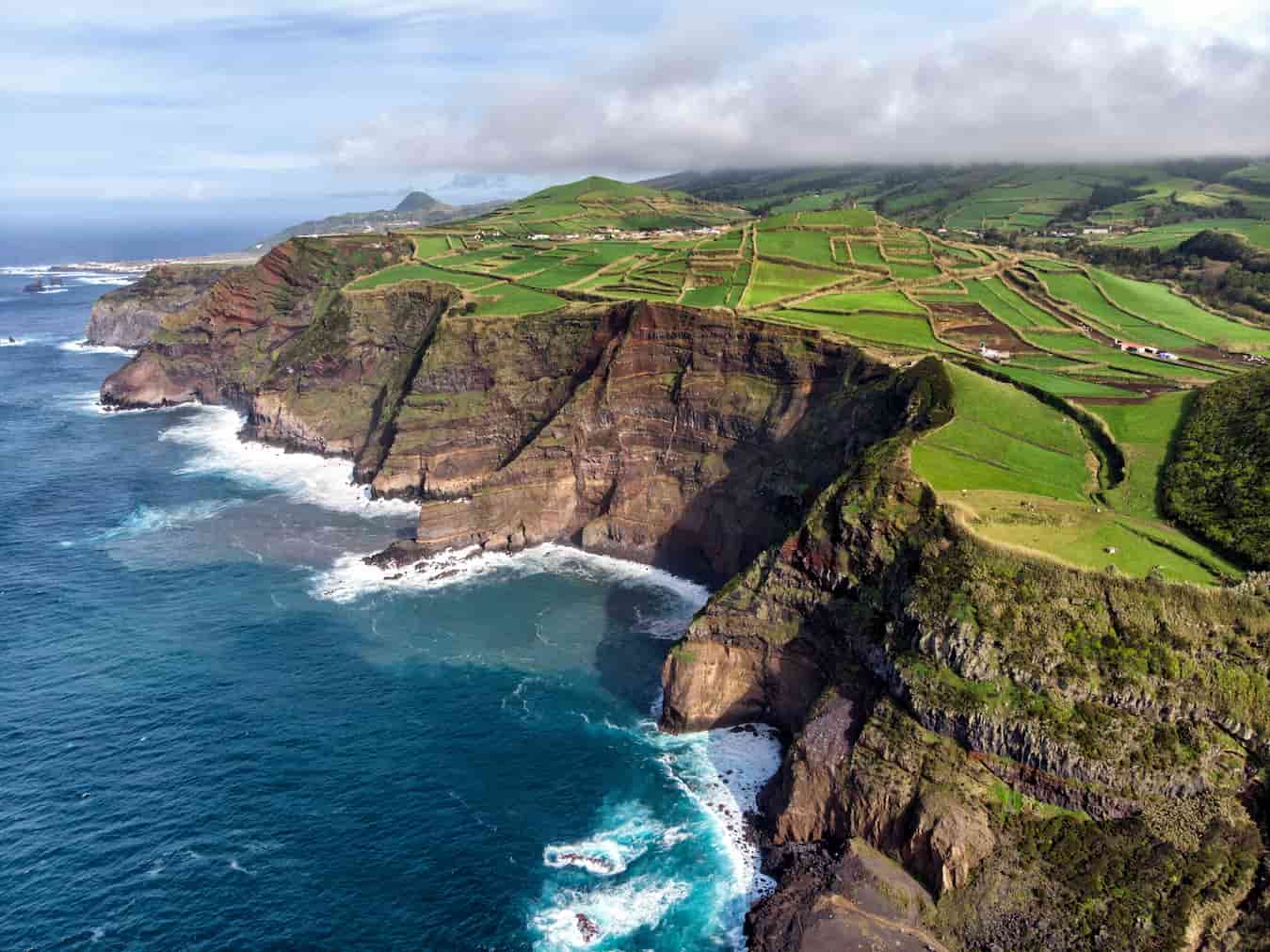
The Azores became the world's first archipelago certified as a sustainable destination in 2019, and that choice shapes the trip today. You get crater lakes on São Miguel, hot springs, hiking trails along green volcanic ridges and whale watching from spring to autumn, with small towns instead of big resorts.
Slovenia: look beyond Lake Bled
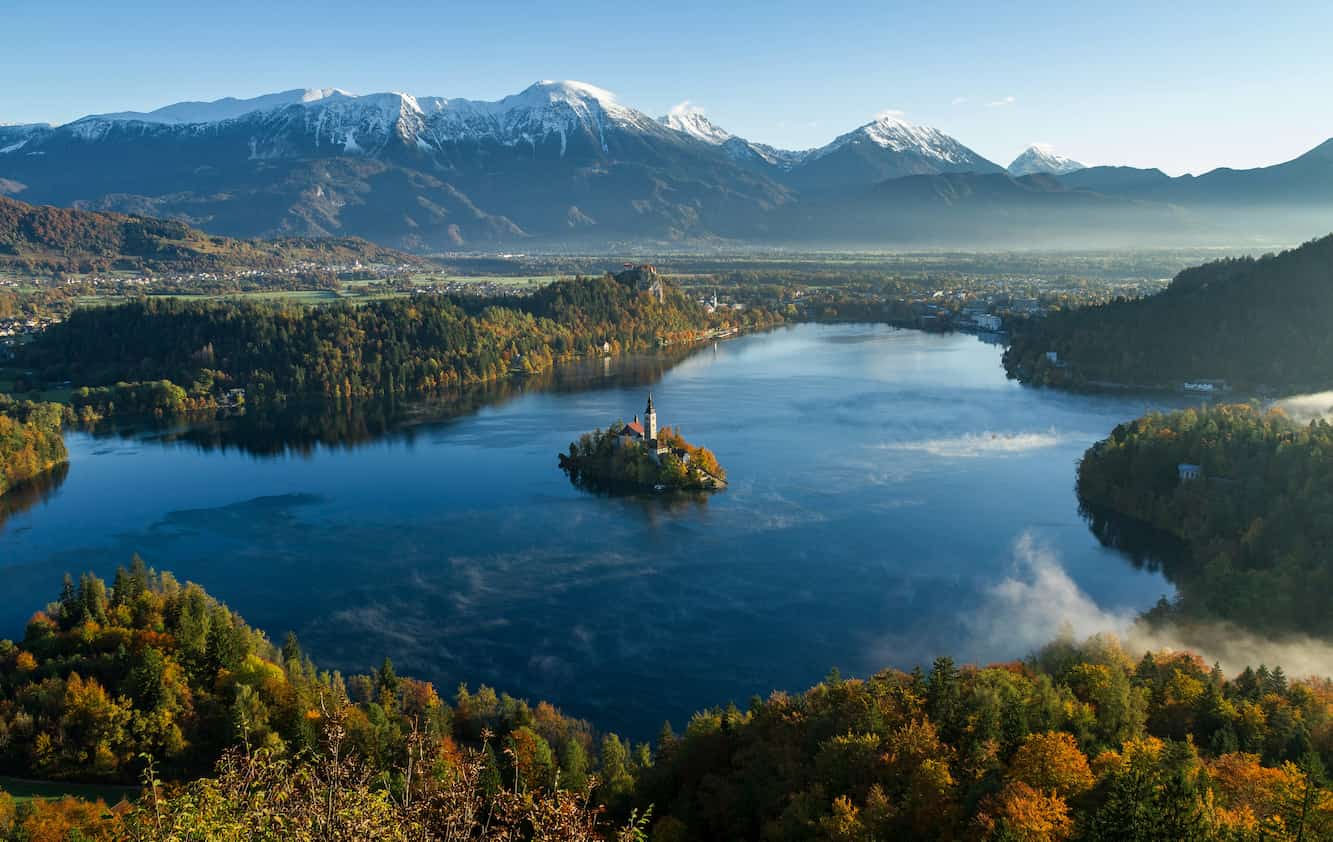
Lake Bled is already on every feed, so use it as a starting point rather than the destination. Nearby Lake Bohinj, the emerald Soča valley and Triglav National Park offer the same Alpine scenery with more space, and Ljubljana, European Green Capital in 2016, has a car free centre that is easy to explore on foot.
Faroe Islands: raw nature between Iceland and Norway
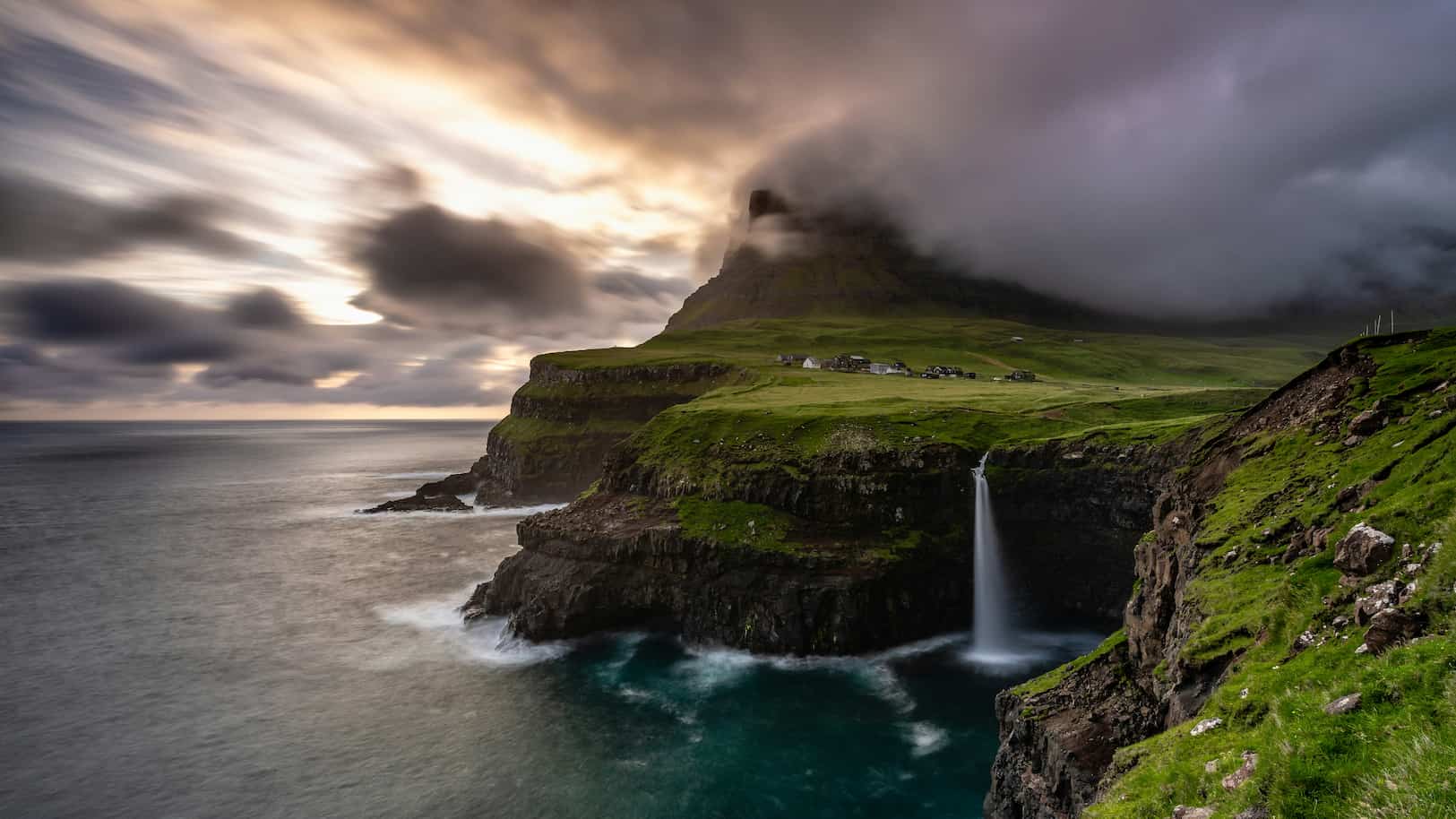
The Faroe Islands are 18 islands with cliffs, grass roofed villages and waterfalls that drop straight into the ocean. They belong to the Kingdom of Denmark but are not part of the EU, and some popular hikes cross private land where a separate hiking fee applies.
Lake Ohrid: one of the oldest lakes in Europe
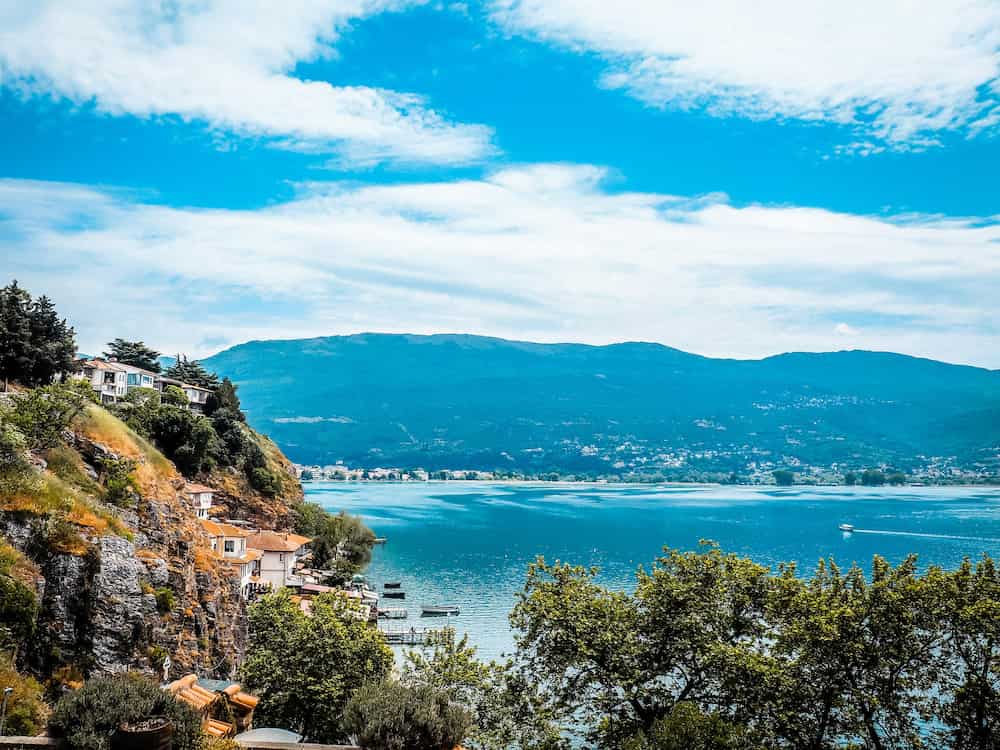
Lake Ohrid, shared by North Macedonia and Albania, is one of the oldest lakes in Europe and a UNESCO World Heritage site for both its nature and its culture. The town of Ohrid combines stone churches, a lakeside promenade and clear water for swimming in summer, at prices far below the Mediterranean coast.
Gdańsk: the Baltic city that deserves more than a day
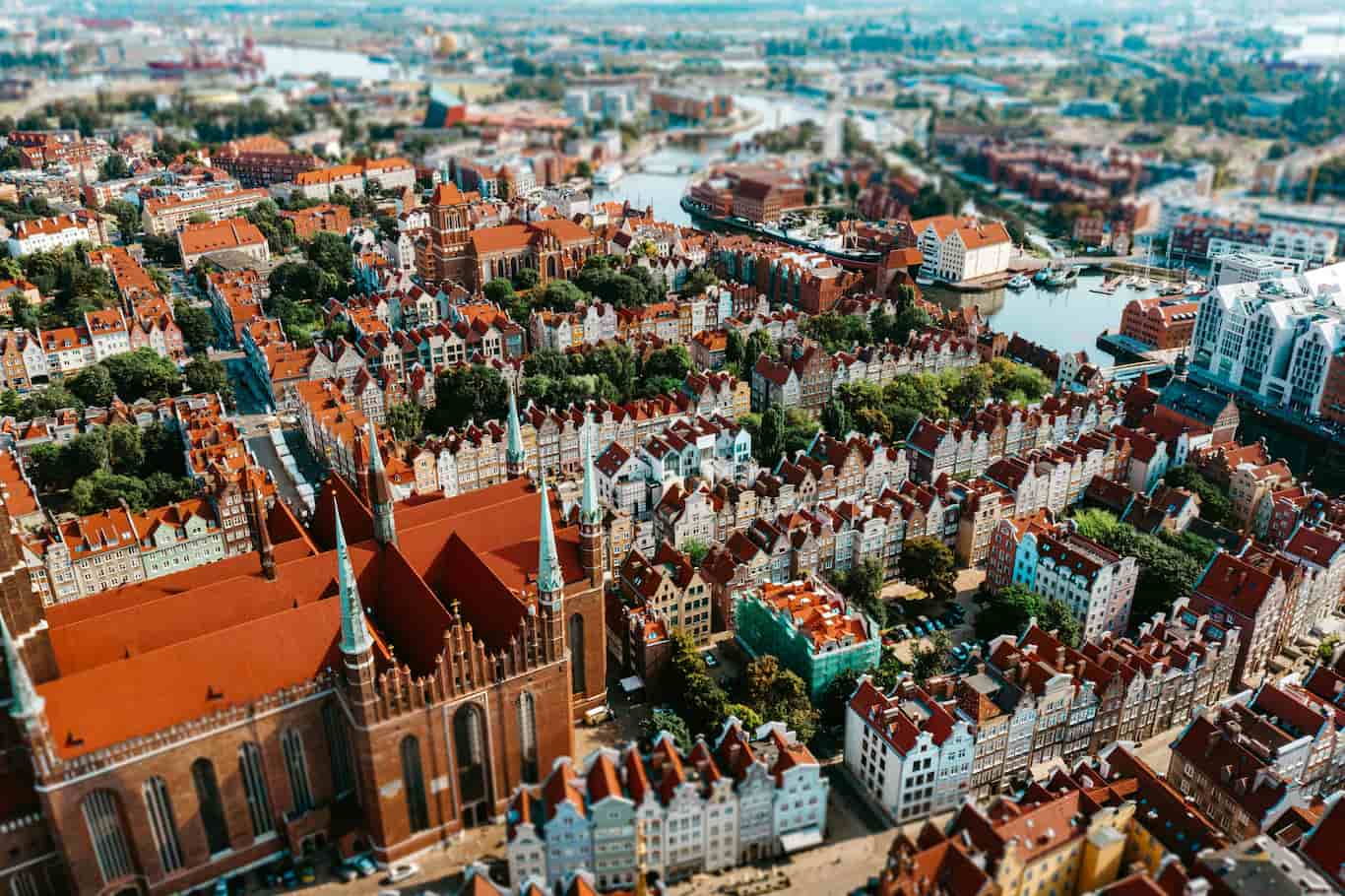
Gdańsk has a colourful old town rebuilt after the Second World War, a long maritime history and Baltic beaches nearby in Sopot. Since April 2026, LOT flies directly from Brussels Airport to Gdańsk four times a week, which makes a long weekend easy to plan.
Sarajevo: where East and West meet
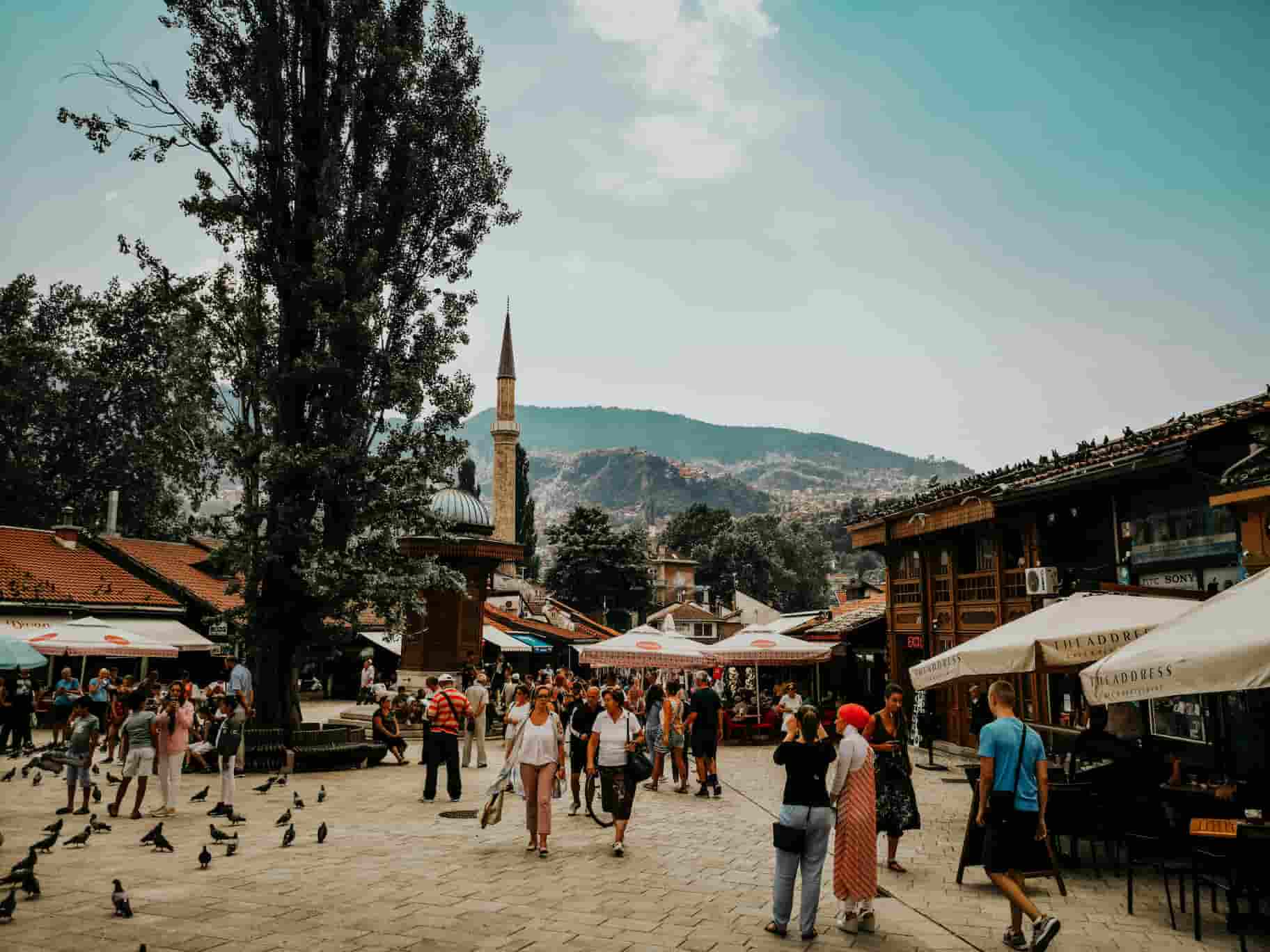
Sarajevo mixes Ottoman bazaars, Austro Hungarian architecture and coffee culture in a green valley surrounded by mountains. Mostar and its famous bridge are about two hours away, so a few days here easily becomes a small tour of Bosnia and Herzegovina.
Where your Belgian plan works, and where it does not
Inside the EU, leave roaming on and use your Belgian plan as at home. Outside the EU, check your rates before you land, because every provider sets its own prices and data can be charged per megabyte, per day or through a separate travel bundle.
Covered by EU roaming rules | Not covered: check your plan before you go |
|---|---|
Azores (Portugal), Slovenia, Gdańsk (Poland) | Faroe Islands |
Every other EU country, plus Norway, Iceland, Liechtenstein, Moldova and Ukraine | North Macedonia, Bosnia and Herzegovina |
The EU approved talks in June 2026 to extend roam like at home to the Western Balkans, including North Macedonia and Bosnia and Herzegovina, but the change is not in force yet. For now, a Faroe Islands eSIM, a North Macedonia eSIM or a Bosnia and Herzegovina eSIM gives your phone mobile data as soon as you land.
How much mobile data do you need on a hidden gem trip?
Plan for about 100 MB a day. Hidden gems are often remote, so what matters most is a connection that works when you need a map or a weather update, not a large bundle. Typical figures, based on Firsty's guides on Google Maps, WhatsApp and ChatGPT:
Activity | Data used |
|---|---|
Google Maps navigation | 3 to 5 MB per hour |
Offline map, downloaded on WiFi | 0 MB on the trail |
WhatsApp text / photo | under 1 KB / 100 to 500 KB |
WhatsApp voice call | 0.3 to 0.5 MB per minute |
Boarding pass or ticket | under 1 MB to download, nothing once saved |
Ride app | a few MB per ride |
ChatGPT or another AI app, text chat | 1 to 5 MB per hour |
A day of maps, messages, a ride and a few AI questions usually stays under 100 MB, and around 1 GB covers a week. Download offline maps before you leave, because signal can be weaker in mountains and on remote trails.
Go before the crowds, stay connected everywhere
With Firsty, there is no SIM card to swap, no roaming setting to remember, no zone chart to check and no surprise bill, whether you land in Ponta Delgada or Vágar. Every connection Firsty sells also connects someone in Belgium who needs it, not as charity, but as how the business works. Things are moving, so keep an eye on what Firsty is building and discover more at Firsty.app.
FAQ
What are the best hidden gems in Europe?
The Azores, Slovenia beyond Lake Bled, the Faroe Islands, Lake Ohrid in North Macedonia, Gdańsk and Sarajevo are among the best hidden gems in Europe. They offer the landscapes and old towns people travel far for, with far fewer visitors, and all six are easy to reach from Belgium.
What is overtourism?
Overtourism is when a destination receives more visitors than its residents, infrastructure and nature can handle. Cities and regions now respond with limits and fees: Venice charged day visitors €5 to €10 on 60 days in 2026, and the Faroe Islands introduced a sustainability fee of DKK 20 per night in February 2026.
What is the best time to visit the Azores?
June to September is the warmest and driest period in the Azores, which makes it the best time for hiking and swimming. Spring is ideal for whale watching, when large whales pass the islands on their migration.
Does EU roaming work in the Faroe Islands?
No. The Faroe Islands belong to the Kingdom of Denmark but are not part of the EU, so the roam like at home rules do not apply there. Check your provider's rates before you travel, or install a travel eSIM for mobile data.
Does EU roaming work in North Macedonia and Bosnia and Herzegovina?
Not yet. The EU approved talks in June 2026 to extend roam like at home to the Western Balkans, but the rules are not in force. Until they are, roaming prices in North Macedonia and Bosnia and Herzegovina depend on your Belgian provider, so check your rates or install a travel eSIM before you go.
Is Slovenia worth visiting beyond Lake Bled?
Yes. Lake Bohinj, the Soča valley and Triglav National Park offer the same Alpine scenery as Lake Bled with far fewer visitors. Ljubljana, European Green Capital in 2016, is a relaxed base with a car free centre.
How much mobile data do I need for a week abroad?
About 1 GB covers a week of light use. Google Maps navigation uses 3 to 5 MB per hour and a WhatsApp voice call 0.3 to 0.5 MB per minute, while offline maps and saved boarding passes use no data at all.