Introduction to Aurora Borealis
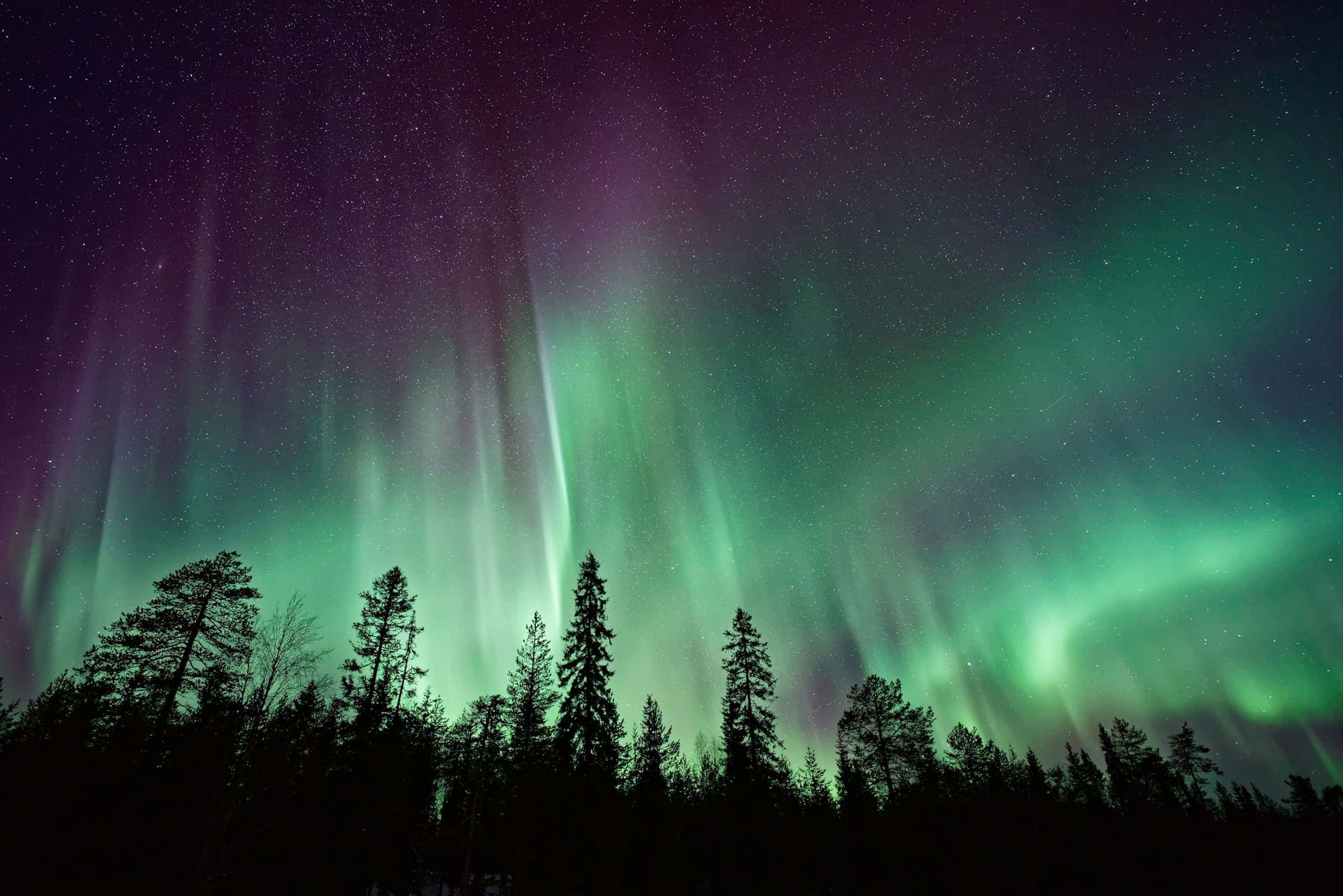
The northern lights, also known as aurora borealis, are a natural light display in the night sky - a breathtaking sight to behold. The northern lights are one of the most spectacular celestial phenomena visible from Earth.
This phenomenon occurs when charged particles from the sun collide with Earth’s atmosphere, resulting in a spectacular display of colored lights.
The best time to see the northern lights is on a clear, dark night with minimal light pollution, allowing for an unobstructed view of the aurora borealis.
The northern horizon is the ideal location to witness this phenomenon, as it is where the aurora is most visible.
The northern lights can be seen in various locations, including Alaska, Michigan’s Upper Peninsula, and North Dakota. While the northern lights are most commonly associated with arctic regions such as northern Scandinavia and Canada, they can also be seen in select locations in the USA.
Science of the Aurora
The science behind the aurora borealis involves the interaction between the sun’s solar wind and Earth’s magnetic field, causing charged particles to collide with the atmosphere. Solar events such as a coronal mass ejection can significantly increase auroral activity by sending bursts of superheated plasma toward Earth, intensifying geomagnetic storms and auroral displays.
This collision results in the emission of light, which we see as the northern lights, typically appearing as a green or purple light in the night sky.
The aurora’s colorful display is influenced by the altitude and type of particles involved in the collision, which are closely related to the colors observed in the aurora, higher altitudes producing red lights and lower altitudes producing green lights.
Earth’s atmosphere and magnetic field work together to create the conditions necessary for the aurora, with the auroral oval being the region around the North Pole where the aurora is most active.
Best Places to See the Northern Lights
The best places to see the northern lights in the USA include Alaska, Michigan’s Upper Peninsula, and North Dakota, which offer minimal light pollution, dark skies, and a clear view of the night sky, essential for optimal aurora viewing.
These locations provide an ideal setting for aurora viewing, with the northern horizon being the prime location for witnessing the spectacle. Locations at higher latitudes, such as Alaska and Michigan’s Upper Peninsula, offer the best chance to view aurora displays due to their proximity to the auroral oval.
Other locations, such as South Dakota and New Hampshire, also offer opportunities to see the northern lights, although the frequency and intensity of the displays may vary, and a clear view is still important.
The west coast of the USA is not typically known for its northern lights displays, but it is still possible to view aurora on rare occasions if the right conditions are met.
State-by-State Guide
If you’re dreaming of seeing the northern lights in the USA, knowing where and when to look is half the adventure. Here’s a state-by-state guide to help you plan your aurora hunting journey and maximize your chances of catching the aurora borealis lighting up the night sky:
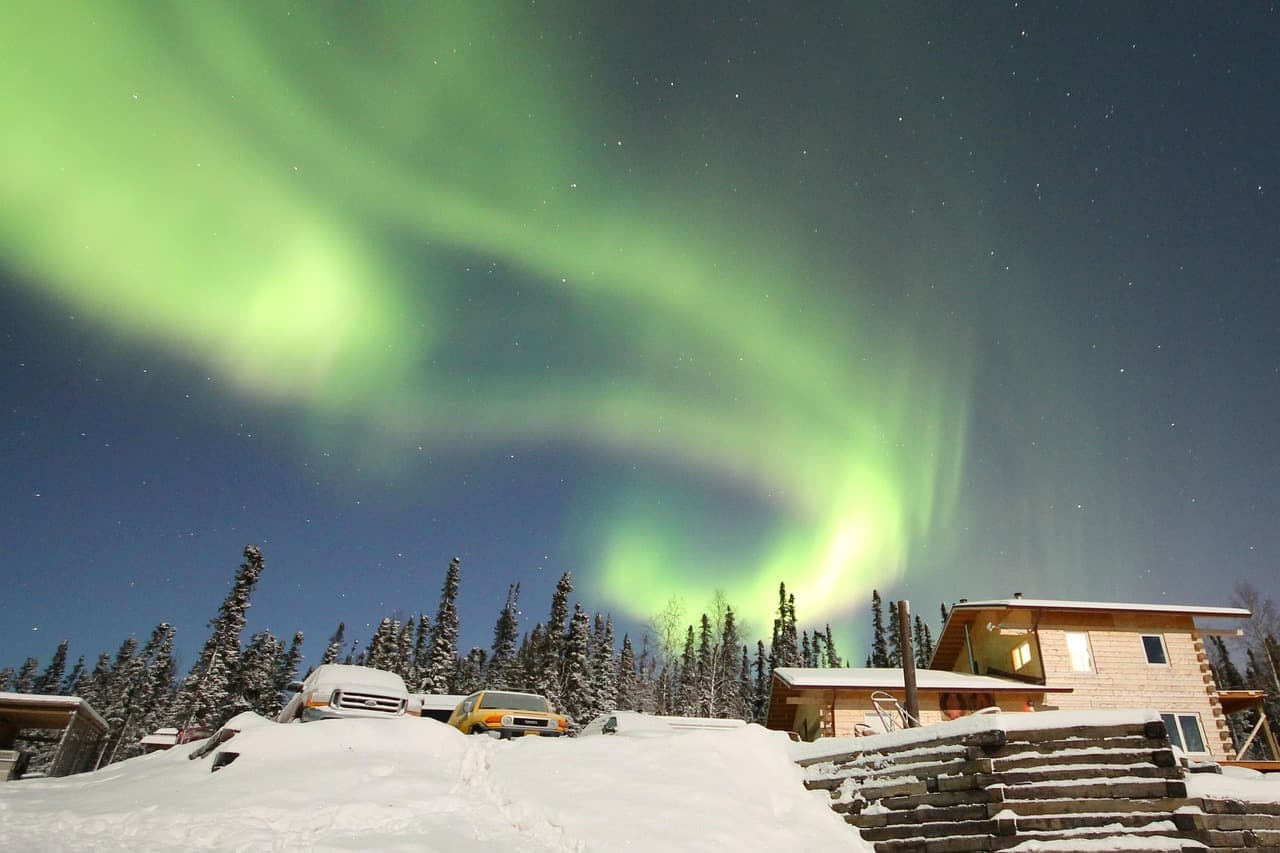
Alaska: The undisputed champion for aurora viewing, Alaska’s vast wilderness and long, dark nights from late August to mid-April make it the best place in the country to see the northern lights. With minimal light pollution and endless dark skies, you’ll have a front-row seat to nature’s most dazzling light show.
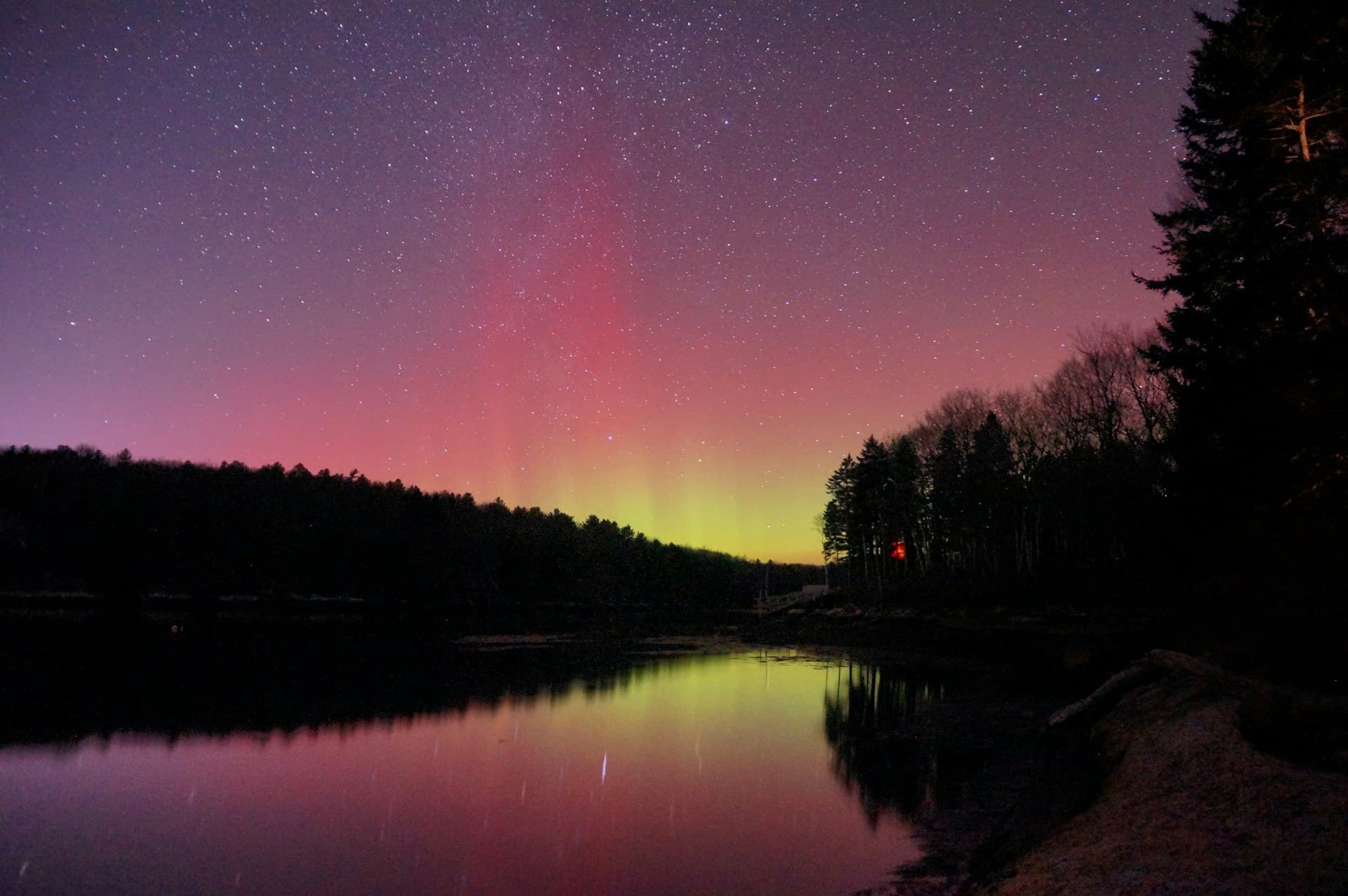
Maine: On the East Coast, Maine’s remote forests and rugged coastlines offer excellent aurora viewing, especially from September to April. The state’s low light pollution means you can often see the aurora’s colorful green and purple light shifts gently across the northern horizon.
Minnesota: Head north in Minnesota, especially along the Gunflint Trail, for some of the best aurora hunting in the Midwest. From late August to early April, the dark skies here are perfect for spotting the softly blowing curtains of the aurora.
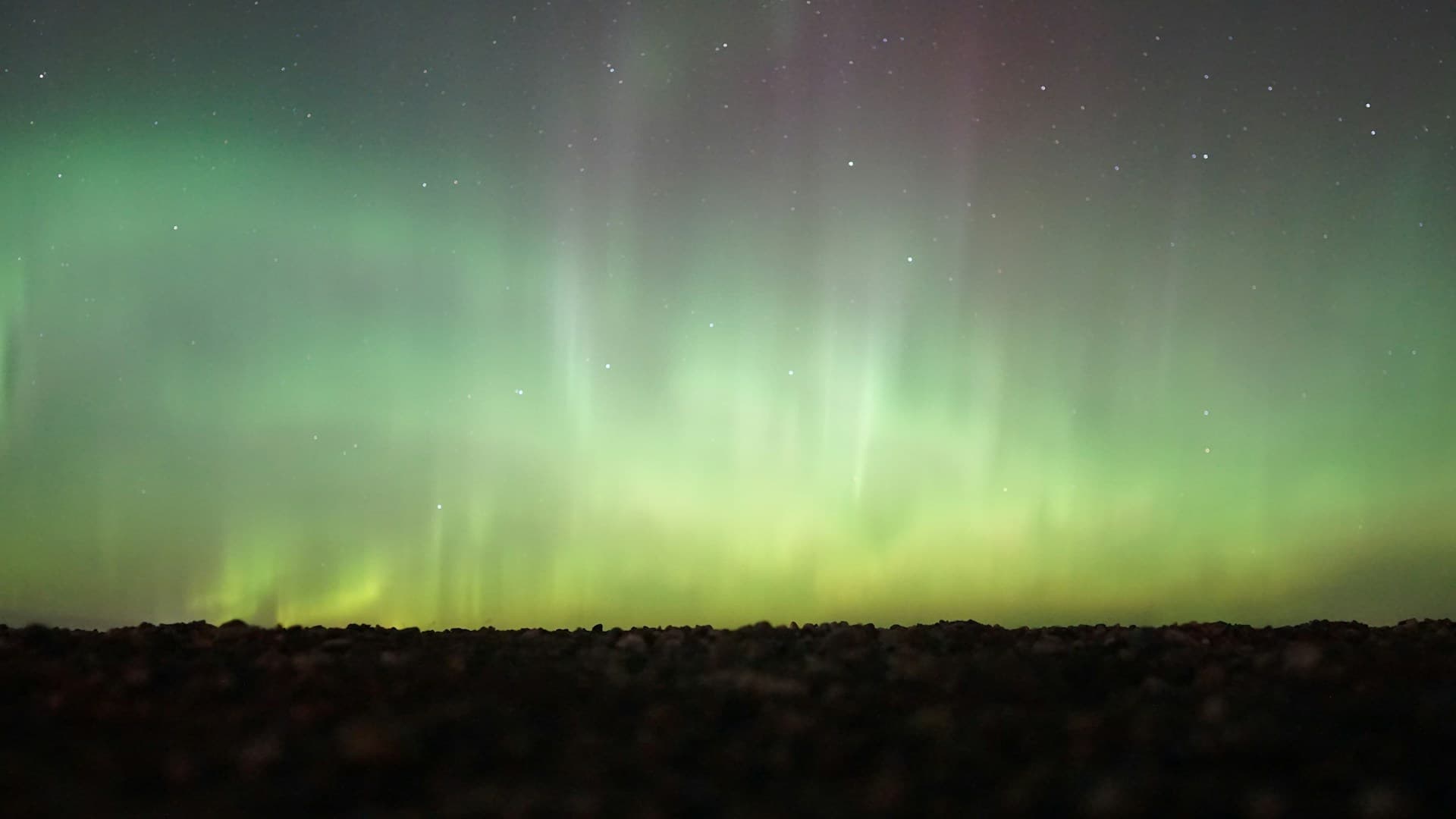
Idaho: Central Idaho’s Dark Sky Reserve is a hidden gem for aurora chasers. With its pristine dark skies and minimal city lights, the best time to see the aurora is from September to April.
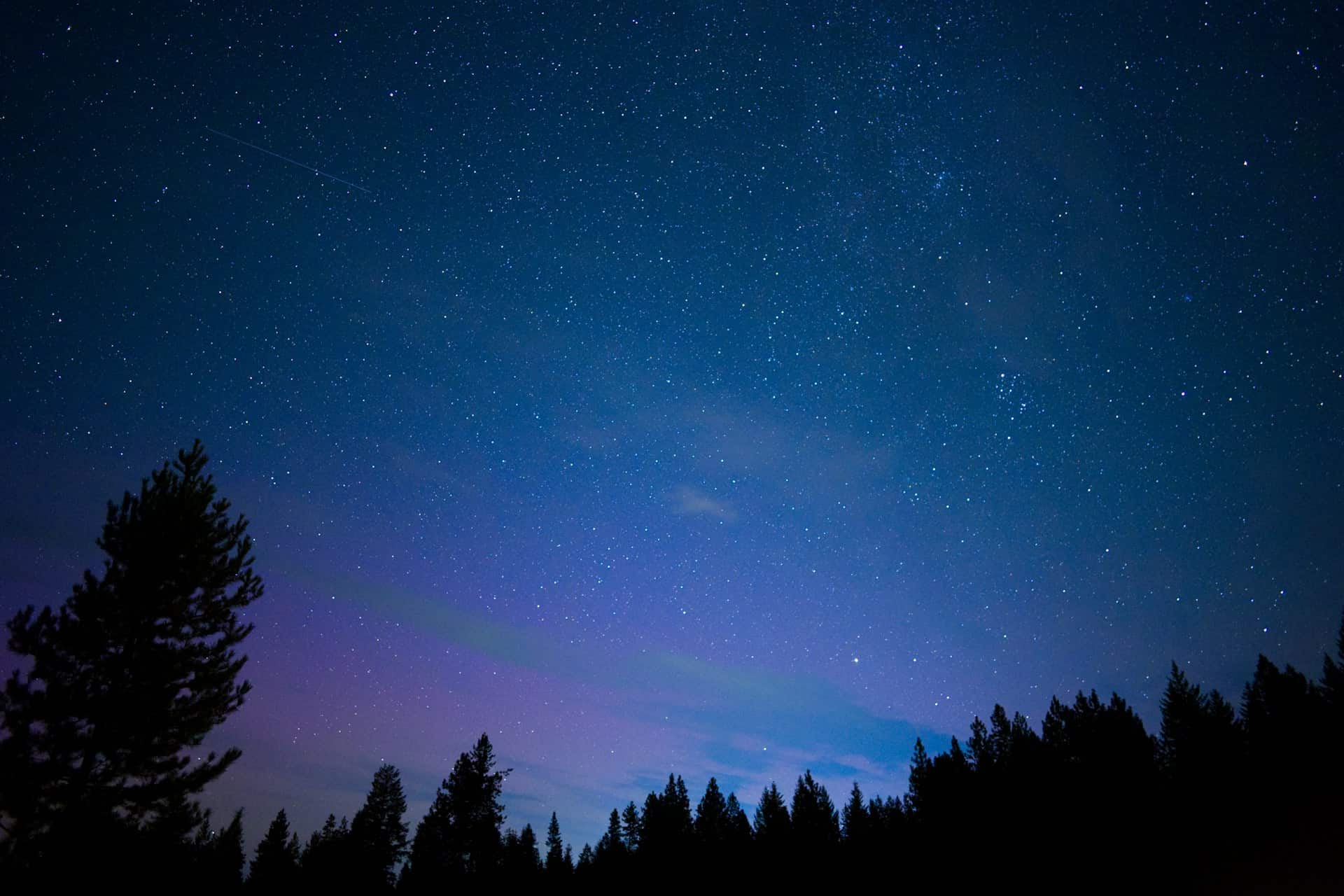
Pennsylvania: Pennsylvania’s Dark Sky Reserve areas offer a rare chance to see the northern lights on the East Coast. Plan your aurora viewing between September and April for the best chance of catching the spectacle.
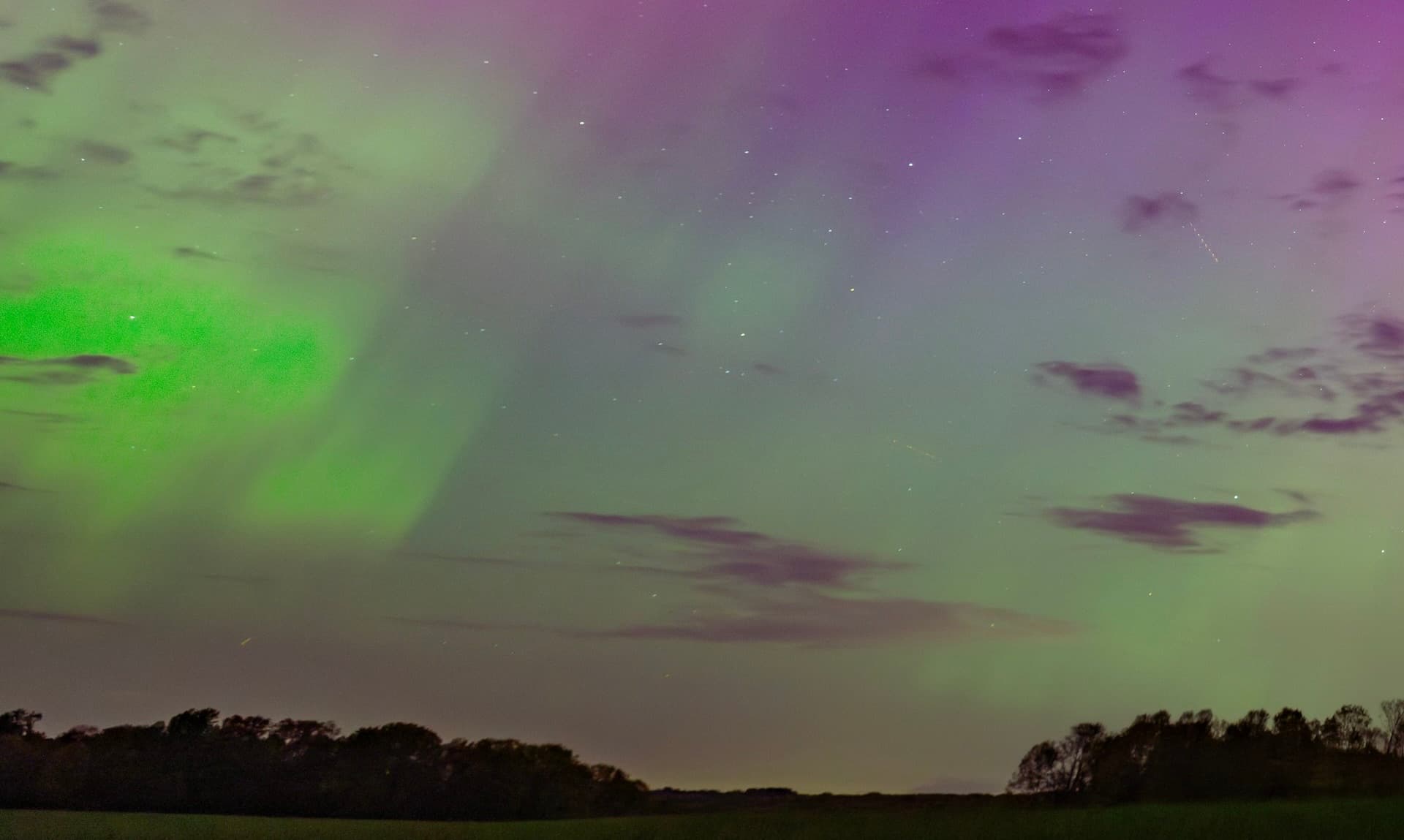
Michigan: Michigan’s Upper Peninsula is famous for its dark skies and clear views over Lake Superior. From September to April, this region is a hotspot for aurora viewing, with the northern lights often dancing above the horizon.
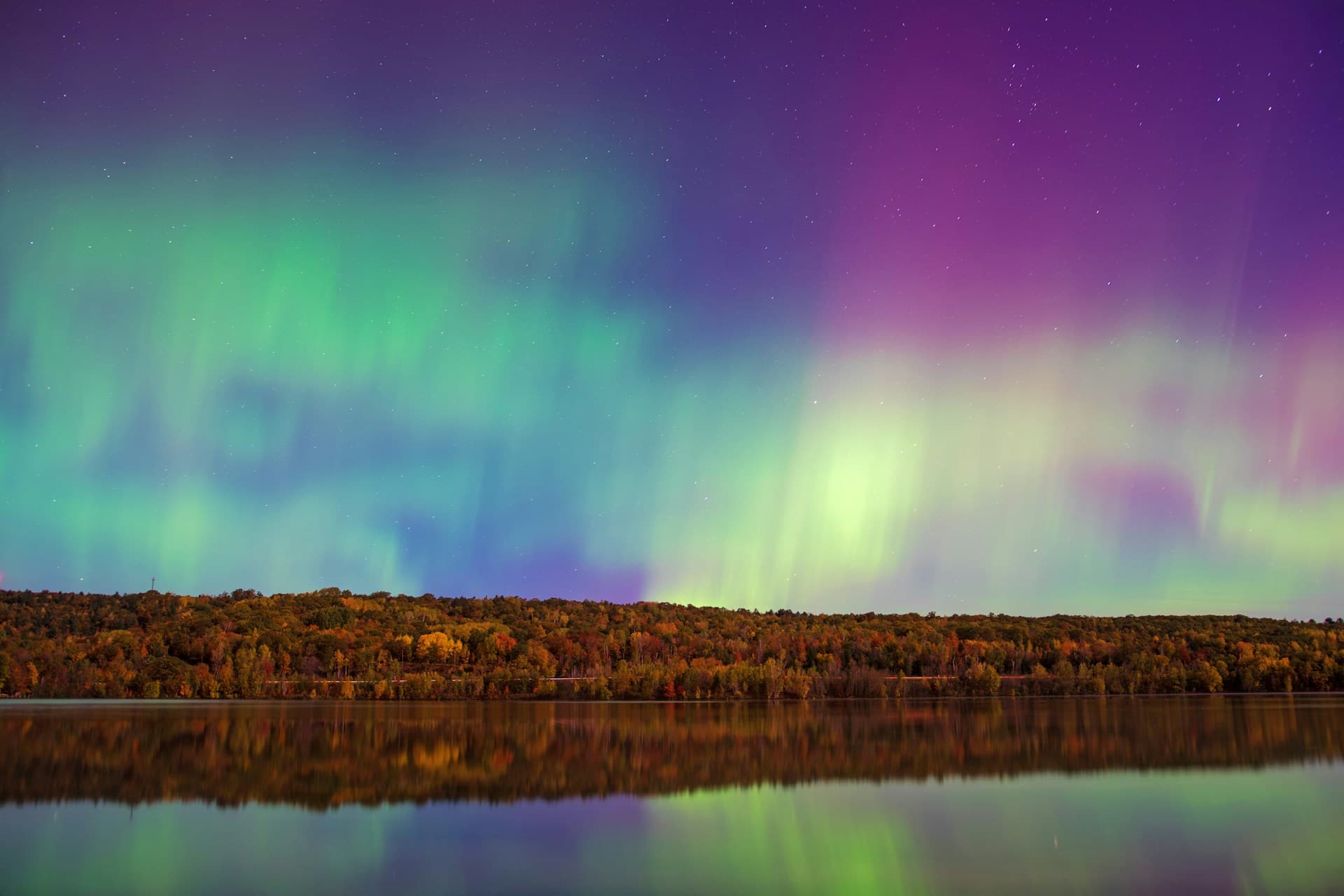
Wisconsin: Wisconsin’s Apostle Islands and Washington Island are top picks for aurora hunters. The best time to see the aurora here is from September to April, when the nights are long and the skies are dark.
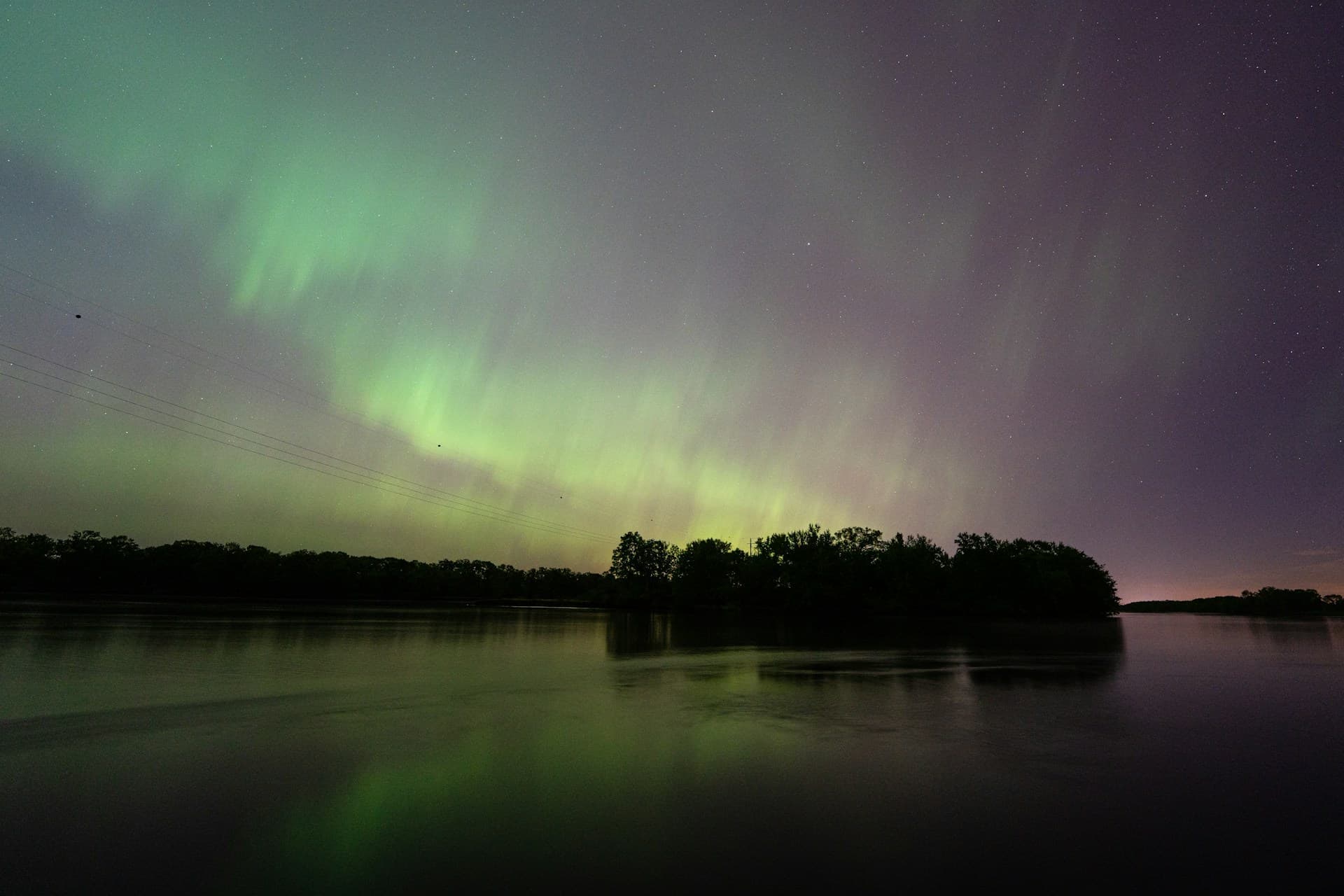
No matter which state you choose, remember that clear, dark skies and a view to the northern horizon are key for successful aurora hunting. Happy chasing!
Regional Variations
The northern lights don’t appear the same way everywhere in the United States, regional differences in latitude, light pollution, and geomagnetic activity all play a role in your aurora viewing experience.
West Coast: While the west coast isn’t known for frequent auroral displays, states like Washington, Oregon, and even northern California can occasionally see the northern lights during periods of intense geomagnetic activity. If a strong geomagnetic storm is forecasted, keep an eye on the northern horizon and seek out areas with the least light pollution for your best chance.
Midwest: The Midwest is a prime region for aurora hunting, with states like Minnesota, Wisconsin, and Michigan offering dark skies and minimal city lights. Here, the aurora’s visibility tonight or tomorrow night can be surprisingly high during active aurora periods, especially near the Great Lakes.
Northeast: The Northeast, including Maine, New Hampshire, and Pennsylvania, boasts several dark sky parks and reserves. These locations are ideal for aurora viewing, especially when the planetary K index spikes and geomagnetic storms are forecasted.
Southwest: The Southwest, including Arizona and New Mexico, rarely sees the northern lights due to its lower latitude and higher levels of light pollution. However, during exceptional geomagnetic storm conditions, auroras may be visible on the northern horizon for lucky skywatchers.
Wherever you are, always check the aurora forecast and seek out the darkest skies possible to increase your chances of seeing this celestial phenomenon.
Viewing the Northern Lights in the Lower 48
Viewing the northern lights in the Lower 48 states can be challenging due to light pollution and cloud cover, but it is still possible to see the aurora on clear, dark nights.
November is often a prime month for increased auroral activity in the Lower 48, making it an ideal time for northern lights enthusiasts to plan their viewing trips.
Michigan’s Upper Peninsula and North Dakota are two of the best locations in the Lower 48 to see the northern lights, offering minimal light pollution and dark skies, and occasionally treating visitors to vibrant auroras during periods of high geomagnetic activity.
The northern lights can be seen in other locations, including national parks and areas with minimal light pollution, making it possible to witness the spectacle in various parts of the country.
Space Weather and Viewing
Space weather plays a crucial role in determining the visibility of the northern lights, with geomagnetic storms and solar flares increasing the chances of seeing the aurora; forecasting auroral activity relies on monitoring space weather conditions using models and real-time data.
The Space Weather Prediction Center, which is part of the National Oceanic and Atmospheric Administration (NOAA), provides forecasts and alerts for aurora viewing, helping enthusiasts plan their trips and increase their chances of seeing the spectacle.
The KP index is a measure of geomagnetic activity, with higher values indicating a greater chance of seeing the northern lights, making it an essential tool for aurora chasers.
The aurora forecast is also influenced by the speed of the solar wind, with faster winds resulting in more intense aurora displays.
Planning Your Trip to North Dakota
Planning a trip to North Dakota to see the northern lights requires careful consideration of the time of year, weather conditions, and aurora forecast.
The best time to see the northern lights in North Dakota is during the winter months, when the nights are longest and darkest, providing optimal viewing conditions.
The state’s minimal light pollution and dark skies make it an ideal location for aurora viewing, with the northern horizon being the prime location for witnessing the spectacle.
Visitors can use the aurora dashboard information to plan their trip and increase their chances of seeing the northern lights.
Local Tours and Guides
If you want to make the most of your aurora viewing adventure, consider joining a local tour or hiring a guide. These experts know the best spots, the right times, and how to read the aurora forecast, giving you the best chance to see the northern lights in all their glory.
Alaska: Companies like Northern Alaska Tour Company and Alaska Tours offer guided tours that take you far from city lights and into the heart of Alaska’s dark, northern night sky. Their experience means you’ll be in the right place at the right time for active aurora displays.
Maine: Maine Photo Tours and Aurora Guides provide expert-led excursions, helping you find the darkest skies and teaching you how to photograph the aurora’s colorful dance.
Minnesota: Minnesota Aurora Tours and Northern Lights Expeditions specialize in aurora hunting, taking you to remote locations where the night sky is at its darkest and the aurora’s visibility is highest.
Idaho: Idaho Aurora Tours and Dark Sky Guides offer trips into the state’s Dark Sky Reserve, maximizing your chances of seeing the northern lights and capturing stunning photos.
Guided tours not only increase your odds of seeing the aurora but also provide valuable insights into the science and folklore behind this magical light show.
Stay Connected on Your Northern Lights Adventure with Firsty
Aurora hunting often takes you to remote national parks, frozen lakeshores, and dark-sky reserves where mobile coverage can be unreliable. Whether you're chasing the northern lights in Alaska, exploring Michigan’s Upper Peninsula, or waiting for the sky to light up in North Dakota, staying connected is essential for navigating, checking the aurora forecast, and sharing the magic in real time. Firsty makes that easier.
Firsty Plans for Aurora Chasers
Perfect for travelers who move from one viewing spot to another, monitor aurora forecasts frequently, or take short weekend trips to dark-sky areas.
Firsty Free
Stay online at no cost by watching short ads. Great for checking maps, local cloud cover, KP index updates, and basic messaging.
Classic gives you a prepaid data bundle from 0.5 to 50 GB at the highest available speed. Ideal for refreshing aurora dashboards, checking space weather alerts, uploading sky photos, and staying active on social media.
Unlimited gives you unlimited data from €2 per day, with 5 GB per day at full speed, video streaming and hotspot use. Perfect for hotspot use, video calls from remote cabins, or streaming during long nights while waiting for auroras to appear.
Monthly Plans for Longer Aurora Expeditions
If you’re planning an extended winter trip through multiple northern states or spending weeks in aurora viewing regions, monthly plans offer reliability and flexibility.
Economy – 1.5 GB for €4.50
Perfect for essential aurora updates, weather checks, and navigation as you move between viewing locations.
Classic – Bigger bundles for longer trips, up to 50 GB, valid for 30 days after activation.
Unlimited – Longer day passes, up to 60 days at once, with 5 GB per day at full speed and hotspot use.
Stay Connected Wherever the Aurora Takes You
Whether you're standing beneath shimmering lights in Alaska, photographing reflections on Lake Superior, scanning North Dakota’s wide-open skies, or waiting for geomagnetic storms in a quiet dark-sky park, Firsty keeps you connected. You’ll have reliable access to navigation, aurora forecasts, emergency info, and the ability to instantly share your northern lights experience with loved ones.
Tips for Viewing
To increase the chances of seeing the northern lights, it is essential to find a location with minimal light pollution and dark skies, such as national parks or areas with minimal artificial lighting.
The best time to view the northern lights is on a clear, dark night, with the northern horizon being the prime location for witnessing the spectacle.
Aurora hunting requires patience, as the lights can appear and disappear quickly, making it essential to be prepared and have the necessary equipment, such as cameras and binoculars.
The aurora’s visibility can be affected by cloud cover, so it is essential to check the weather forecast before heading out to view the spectacle.
Equipment and Gear
To truly capture the magic of the northern lights, having the right equipment and gear is essential. Here’s what every aurora chaser should pack:
Camera: A DSLR or mirrorless camera with manual settings lets you adjust exposure and ISO to best capture the northern lights’ vibrant colors.
Tripod: A sturdy tripod is a must for long-exposure shots, keeping your camera steady as the aurora’s lights sweep across the sky.
Lens: A wide-angle lens (10-24mm) allows you to frame more of the night sky and the aurora’s sweeping curtains in a single shot.
Remote Shutter Release: Using a remote or your camera’s timer helps prevent camera shake, ensuring your images are crisp and clear.
Warm Clothing: Aurora viewing often means long nights outdoors in cold conditions. Dress in layers, wear insulated boots, and bring gloves and a hat to stay comfortable while you wait for the lights to appear.
With the right gear, you’ll be ready to capture the northern lights in all their breathtaking beauty.
Photography Tips
To capture the northern lights on camera, it is essential to use a tripod and a camera with manual settings, allowing for adjustments to be made to capture the best possible image.
The aurora’s colorful display can be captured using a camera with a wide-angle lens and a high ISO setting, making it possible to take stunning photos of the spectacle.
The northern lights can be photographed in various locations, including national parks and areas with minimal light pollution, making it possible to capture unique and breathtaking images.
The use of a remote shutter release or the camera’s self-timer can help reduce camera shake and ensure sharper images.
Aurora Forecast
The aurora forecast is a crucial tool for aurora chasers, providing information on the likelihood of seeing the northern lights on a given night.
The forecast is based on the KP index, which measures geomagnetic activity, and the speed of the solar wind, making it possible to predict when the aurora will be visible.
The aurora forecast can be accessed through various websites and apps, providing up-to-date information on the latest aurora activity.
The forecast is subject to change, so it is essential to check for updates regularly to increase the chances of seeing the northern lights.
Safety Precautions
When viewing the northern lights, it is essential to take necessary safety precautions, such as dressing warmly and bringing necessary equipment, to ensure a safe and enjoyable experience.
The northern lights can be viewed in remote locations, making it essential to be prepared for emergencies and have a plan in place.
It is essential to respect the environment and other viewers when watching the northern lights, making it necessary to follow guidelines and regulations.
The northern lights can be a breathtaking sight, but it is essential to prioritize safety and take necessary precautions to ensure a safe and enjoyable experience.
Conclusion
The northern lights are one of nature’s most awe-inspiring spectacles, and with a little planning, you can experience this celestial phenomenon right here in the United States. By choosing the best locations, understanding regional variations, and taking advantage of local tours and guides, you’ll maximize your chances of successful aurora viewing. Don’t forget to bring the right equipment and dress warmly for those long, dark nights under the stars. Whether you’re a seasoned aurora hunter or a first-time skywatcher, the northern lights promise unforgettable memories and stunning photos. So keep an eye on the aurora forecast, head out under clear skies, and get ready to witness the magic of the northern lights!